When you purchase through links on our site, we may earn an affiliate commission.Heres how it works.
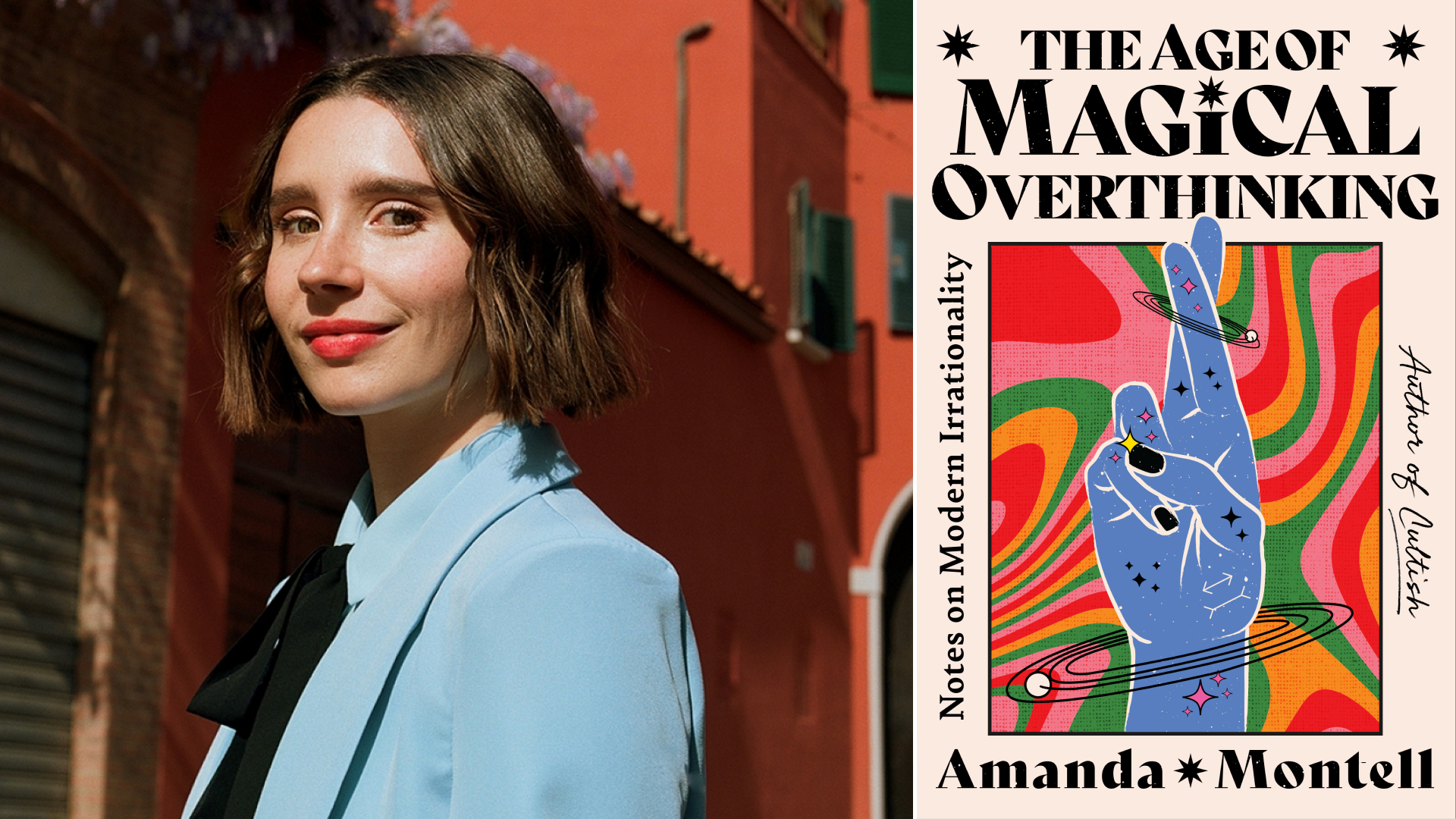
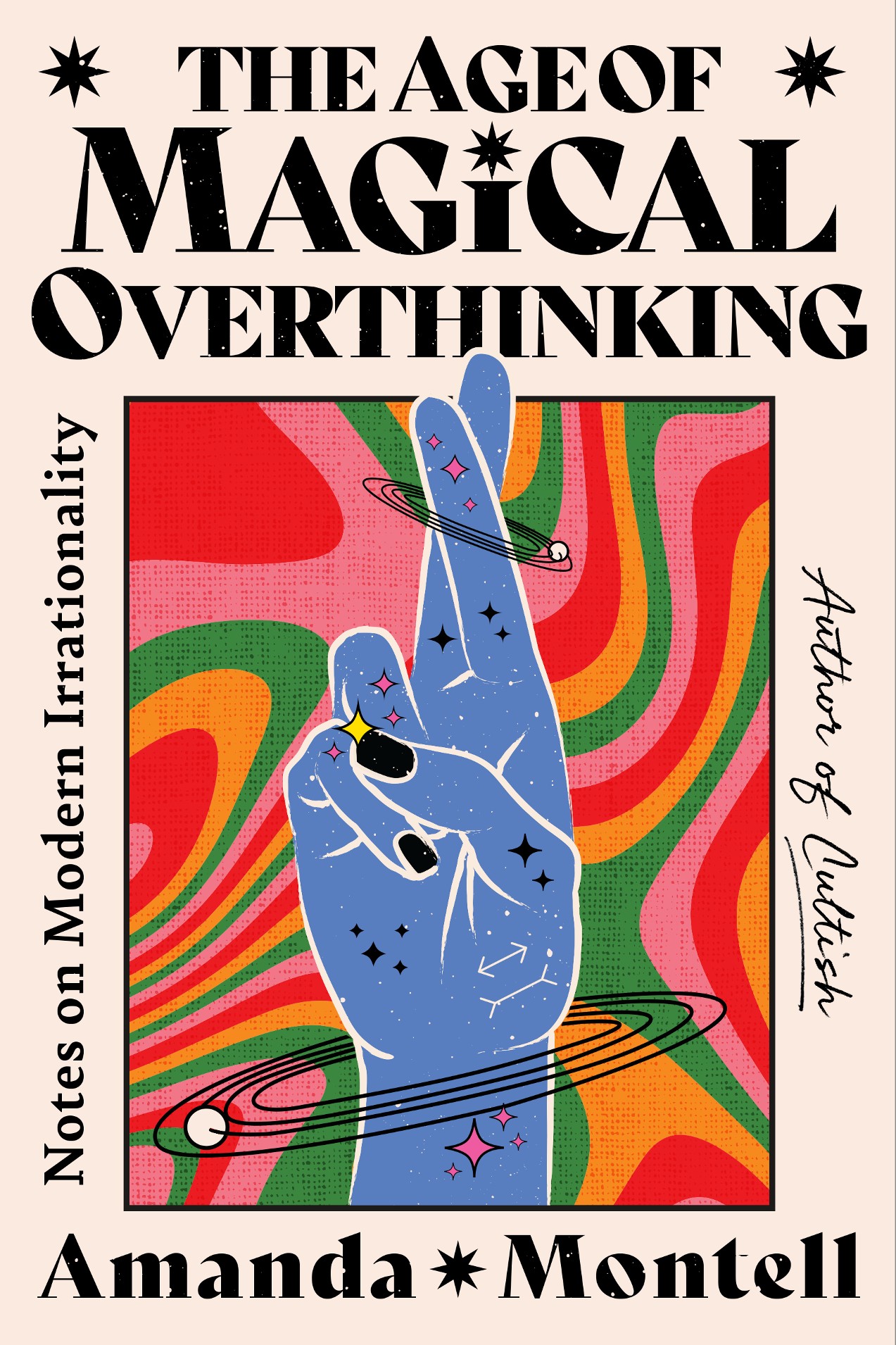
The below excerpt fromThe Age of Magical Overthinking, out April 9, examines our obsession with the handmade.
Watercolors, card tricks, any hands-on hobby, she said, her kind eyes squinting glitchily over Zoom.
DO I LOOK LIKE A FUCKING DABBLER?!
I wanted to sneer, but then I remembered: Nora Ephron loved to cook.Michelle Obamahas her knitting.
Greta Thunberg allegedly cross-stitches for relaxation between climate justice meetings with presidents.
None of it is what theyre known for, but its what they love.
What they do with their hands.
A hobby, I told the therapist.

Ill think on it.
Unfortunately, I believe I might be the single worst crafter of all time.
For the record, I have made heartfelt attempts at dabbling.
I tried pouring candles, but they reeked of funeral flowers.
Casey wanted to help.
He procured me a beginners pottery kit, then a loom.
The girl knew her way around a spinning wheel better than I knew mine around my own television remote.
I was as enchanted by her as I was ashamed of myself.
Crafting seemed to fulfill almost everyone else on earth but me.
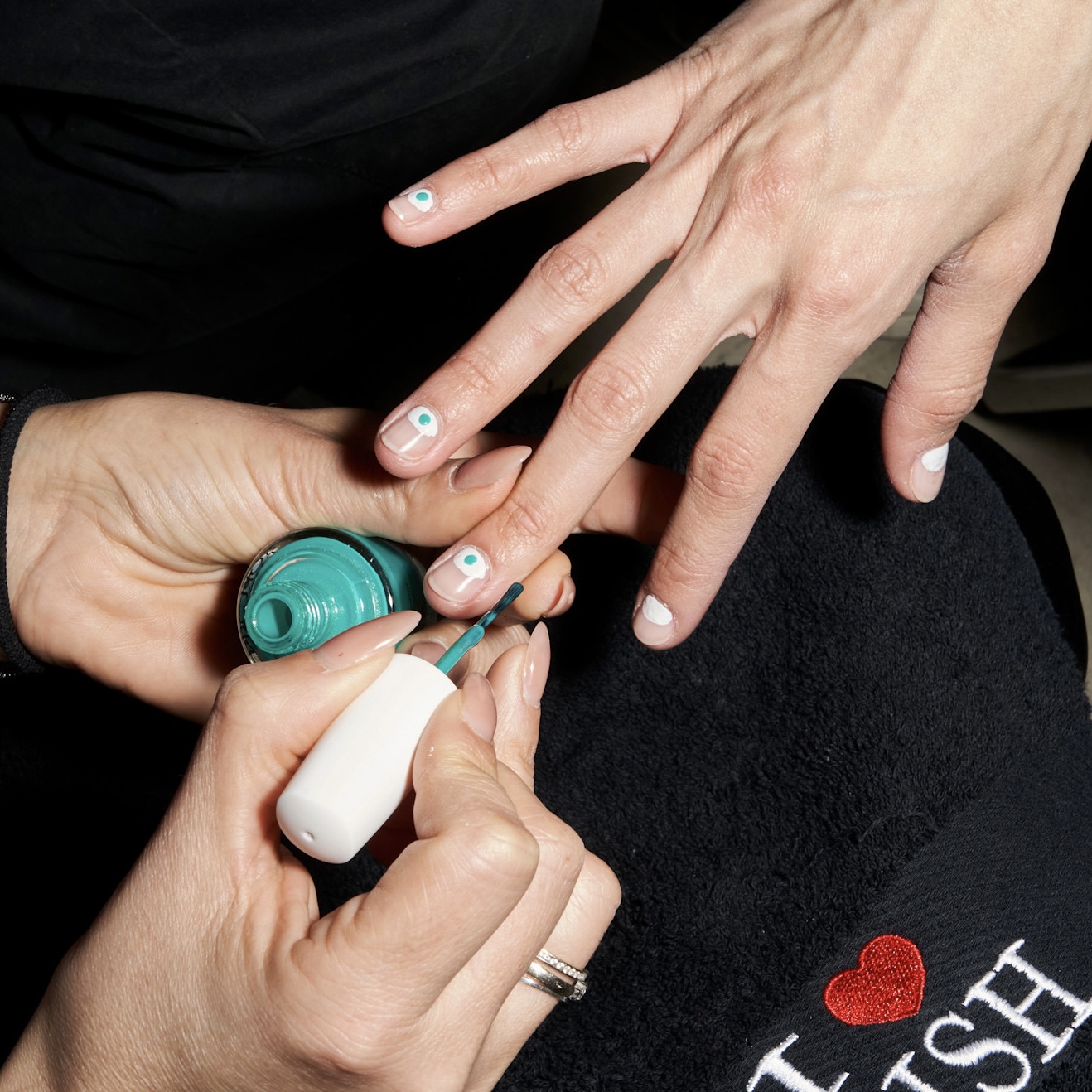
Why was I so incapable of this basic human joy?
Nothing satisfies the spirit quite like building something yourself, or at least helping to.
Then, like falling in love after a lifetime of loneliness, I discovered the art of flipping furniture.
A little under a year into quarantine, my best friend Racheli and I stumbled across the practice online.
Or really, it stumbled toward us, and we lunged back.
Some crafts like embroidery and dollhouse-making are painstaking, but furniture-flipping is broadstroked and flashy, the gratification instant.
Perfect for an anxious dilettante.
You might even find viable candidates in the back of your closet.
You form an eye for both neglect and potential.
There are more advanced flipping techniques involving upholstery and power tools; assess your capabilities accordingly.
Finally, do with the final product whatever you wish: Keep or sell.
Give away to a friend.
Of all our projects, my favorite flip began as a dusty seashell lamp the color of mucus.
Racheli and I found it for $10 at a neighborhood Goodwill and decided to take a risk.
This thing is fugly.
I feel bad selling it, said Racheli.
Let me reiterate, this object was grotesque.
It looked like SpongeBob SquarePantss pet snail, Gary.
Thirty minutes prior, we saw that plainly.
Now, we were listing it on the internet for the average price of a bottle of Veuve Clicquot.
For a moment, I thought I actually wanted to keep the lamp.
Id wear tasseled kaftans and dwell in a yurt that doubled as my craft studio.
Finally, Id master the loom.
Id invite influencer Isabel to come live with me and spend the next decade as her apprentice.
For a moment, that seashell lamp illuminated a vision for my pastoral future.
Hope swelled within me like a ripe peach.
Our lamp sold above asking price to a shiny-haired college student within an hour of posting.
But it was never about the money.
It was about that feeling.
Finally, I grasped what that therapist meant.
Nothing satisfies the spirit quite like building something yourself, or at least helping to.
At the same time, nothing had ever warped my perception of value with such efficiency.
What is it about a human hand?
Its delightful name is a homage to the Swedish furniture company whose affordable products require assembly.
Participants saw their amateurish creations .
The IKEA effect was observed long before it was described.
An oft-cited example comes from the mid-twentieth century, during the golden age of processed food.
The product took off at first, but sales eventually slowed to a near halt.
Homemakers felt that if all they did was add water, the cake was not trulytheirs.
They couldnt proudly tell their husbands and children that theyd prepared the fluffy confection with their own two hands.
General Mills responded with an unexpected marketing pivot.
They relaunched the instant cake mixes with a new slogan, Add an Egg.
Now, baking was easy but nottooeasy.
Betty Crockers sales soared.
What truly displeased Betty Crocker consumers, they argued, was the sobering shock of insignificance.
New technology insinuated that mothers home cooking, and thus mothers themselves, were unnecessary.
No one likes the feeling of being rendered…irrelevant, commented Norton et al.
The egg made people feel like they mattered.
In theory, the IKEA effect is responsible for the entire DIY renaissance.
The world is growing more user-generated.
They wont come back.
We need the allegorical egg.
The egg gives us purpose.
The egg tells us we deserve to be here.
But what happens when the egg becomes so obsolete that we cant even pretend to need it anymore?
In 2020, a sound bite exploded on TikTok that went, Darling, I have no dream job.
I do not dream of labor.
(The quotes origins are unverified.
Shocking for TikTok, I know!)
The moment was one of widespread ennui.
A whole category of viral memes spun off the original.
Among my favorites read, I do not want to be a woman in the work force!!!
I want to be a little creature drinking from a creek!!!!!!
Like the sunk cost fallacy, the IKEA effect is at its core another effort justification bias.
How we love to defend our most expensive, time-consuming, irreversible choices.
The IKEA effect isnt all outright fantasy.
The social connection it fosters is real, especially when the end product is tangible.
As much as automation and specialization have benefited society, they risk limiting our social engagement.
DIY projects offer the chance for more holistic, communal modes of interaction.
This is even and especially true when the creation didnt turn out quite as planned.
I purchased a needle, thread, and a yard of faux suede fabric in a peacock-green shade.
This seat cushion is the most unremarkable object in my home.
I believe it is a masterpiece.
The seat cushion is every instant Funfetti cake on earth.
It is my Sistine Chapel.
I show it to everyone.
I see this happen.
I do not care.
I am prouder of my seat cushion than I am of this book.
I was practically foaming at the mouth to tell you about it.
I am sitting on it right now.
(Needles and fabric do wonders for the spirit.
More than 50 percent said they felt very happy.)
(My seat cushion absolutely is, though.)
Flaws are what give a thing life.
‘The Age of Magical Overthinking’ is Montell’s third book.
In 2018, one of the first AI paintings to be sold at auction went for $432,500.
That kind of effrontery is an inside joke shared by humans alone.
will ever be able to write a good song?Goodmeaning more than technically impressive.
What a great song makes us feel is a sense of awe, he responded.
Theres that notion of awe again; Cave characterized it as being almost exclusively predicated on our limitations.
It is entirely to do with our audacity as humans to reach beyond our potential.
By Caves measure, as impressive as posthuman creativity might be, it simply doesnt have this capacity.
The question haunted me.
It just makes everything I do feel so small, he exhaled.
Lingering in park, Casey thumbed his coffee condensation.
When one of us gets too tired to carry it, the other takes a turn.
It feels good to paint an old seashell lamp alone.
It feels better to have a doting witness.
In theory, the IKEA effect is responsible for the entire DIY renaissance.
Placing us in competition with technology might not even be the most functional line of questioning to pursue anyway.
Our cars do not pass as horses, but they do an excellent job carting us around.
PowerThesaurus.com does not pass as my brain, but I happily used it while writing this book.
Combine hyper-advanced technology with humans visceral inventiveness, and you get sorcery.
It responded that AIs best asset is reason, while humans is love.
I found the answer poignant, though Im not convinced its true.
Who says we have to choose?
Perhaps we should get used to existing in that state.
I suspect weve already been there for a long time.
Plath challenged readers to widen their lens.
Love, survival, creation by hand.
Technology changes faster than the lifespan of a honeybee, but we are the hive.
Copyright 2024 by Amanda Montell.
Nothing could have prepared me for her new look.
Footwear designers are on a vintage kick, and I’m all for it.
35 short and sweet styles.
