Queer-and BIPOC-owned farms arent just promoting representationtheyre reshaping the industry into a space where their communities can thrive.
When you purchase through links on our site, we may earn an affiliate commission.Heres how it works.
Sunshine yellow patty-pan squash protruding from squat leafy plants.
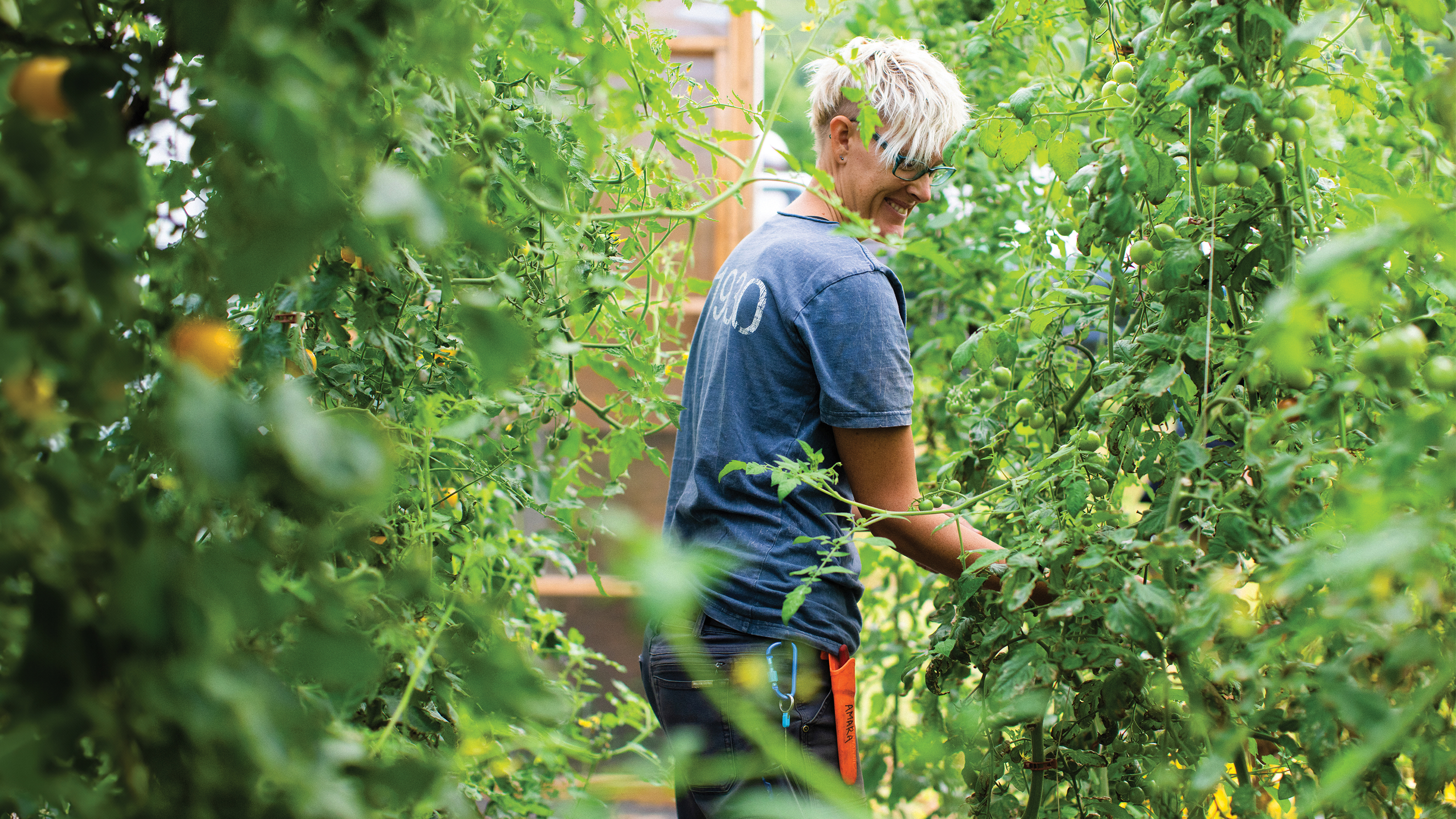
Bushy greenery hinting at what may lie beneath the soil: Onions, carrots, parsnips, maybe beets.
But Rock Steady is unlike most of its contemporaries in the country.
With that renewed excitement came a more diverse set of hobbyists.
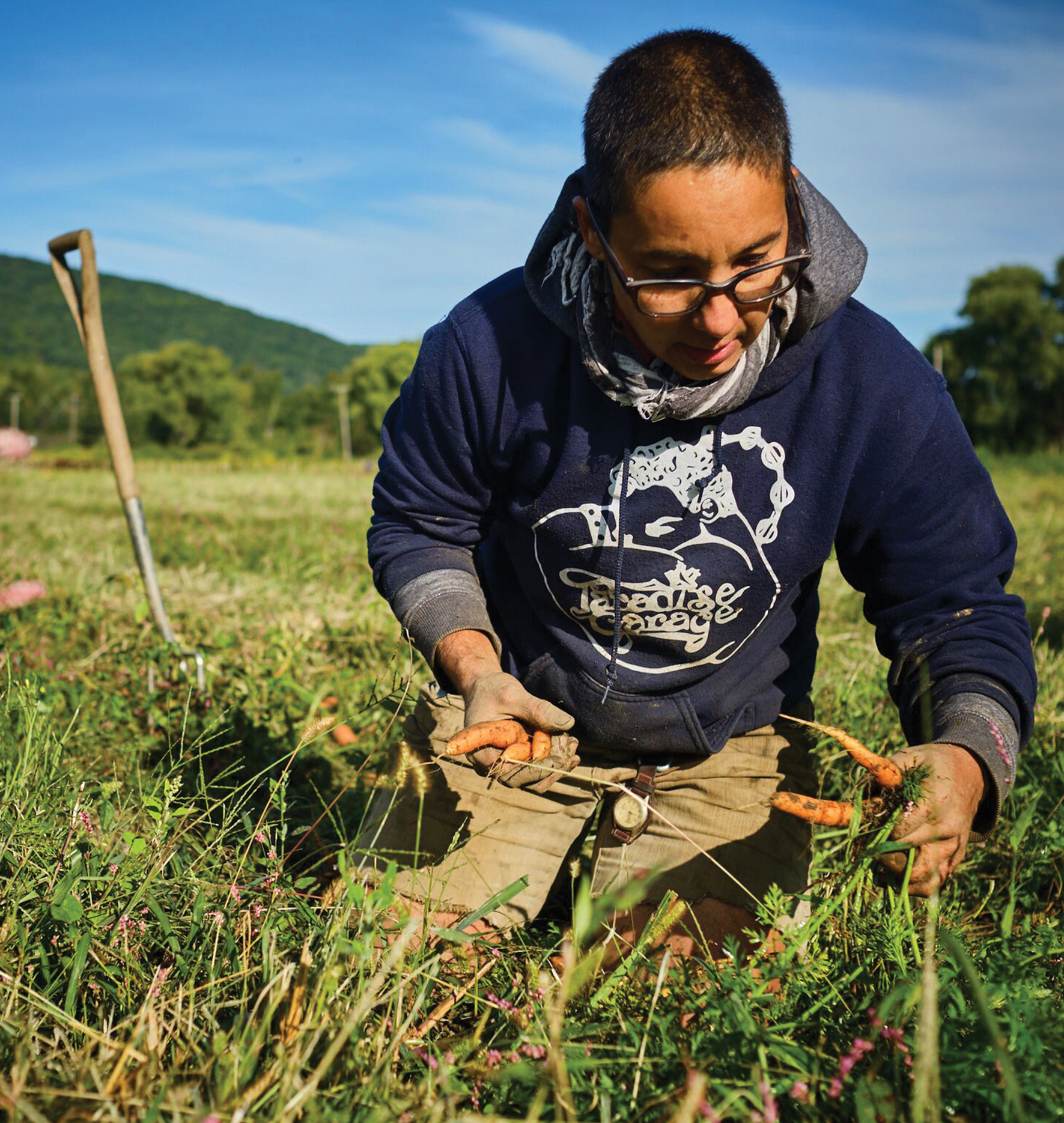
“I had a justice lens to how I was approaching farming,” they say.
There are so many reasons for queer people to not be in rural spaces."
But to grow food on a large production scale, they need to be.
Starting a farm in modern times requires a certain sense of optimism.
Farm debt is at an all-time high at more than $535 billion.
And yet, the Rock Steady founders had no hesitations.
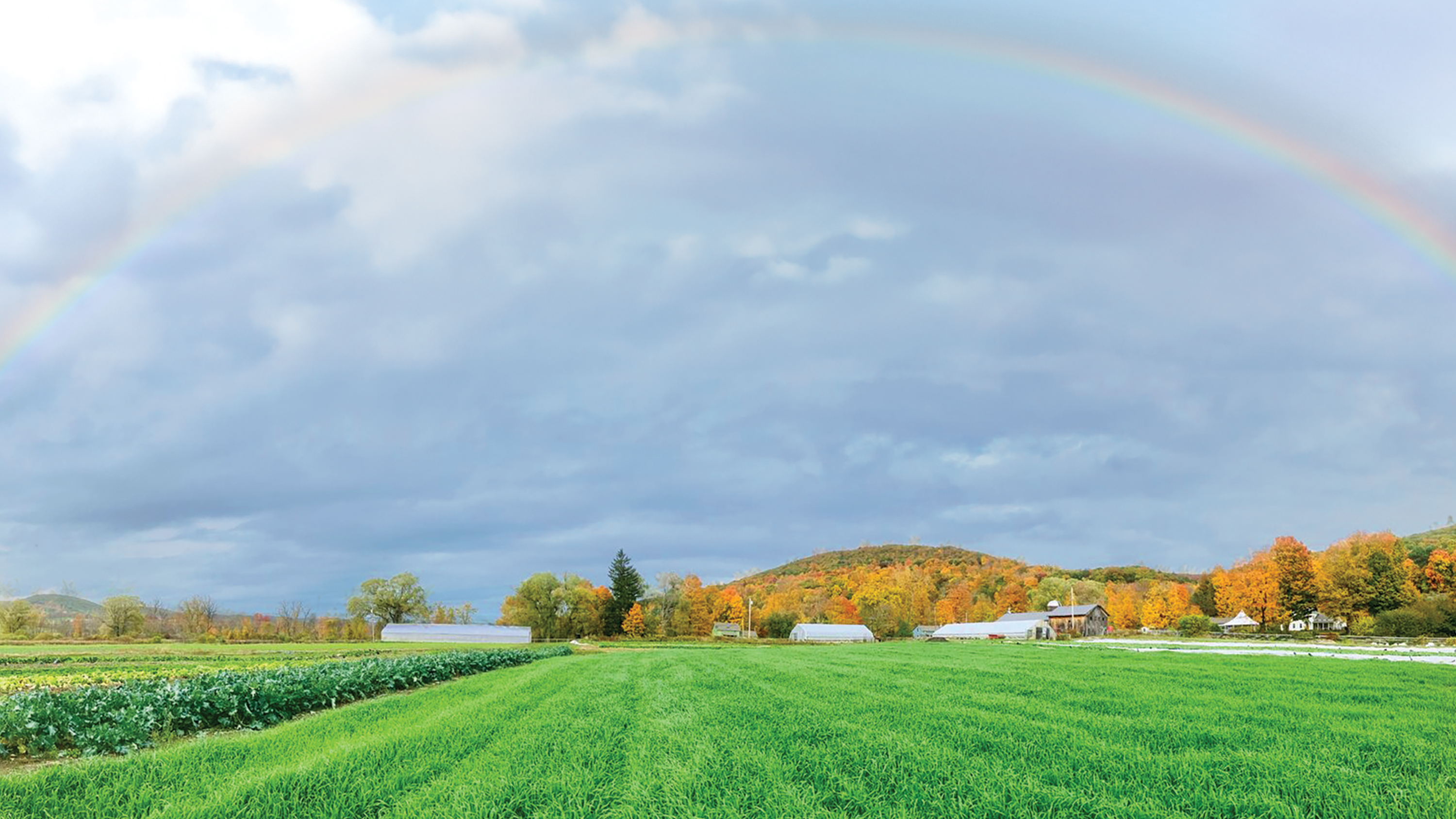
It was bigger than just those 12 acres.
It was a space that would make room for people who were like them.
Those who had been overlooked and didnt fit the stereotypical mold of the American farmer.
They all felt a pull to the property.
“For farming, you really need a connection to the land.
you’ve got the option to’t fake that,” Cheney says.
“I feel a huge connection to the soil itself, the way it feels in my hands.
I don’t get that with all soil, but I get that here.”
At least 21 percent of farm workers in the U.S. live in poverty.
At Rock Steady, in 2021, workers earned between $14 and $16 an hour.
“Oftentimes people who have inherited wealth or inherited land have a lot more padding,” Cheney says.
“We didn’t have that.
Rooney adds: “Being in a cooperative is inherently queer.
Queers have historically organized in and amongst themselves to thrive and survive.
The mainstream support networks have excluded queerness and anything that we need.
We are always organizing for ourselves.”
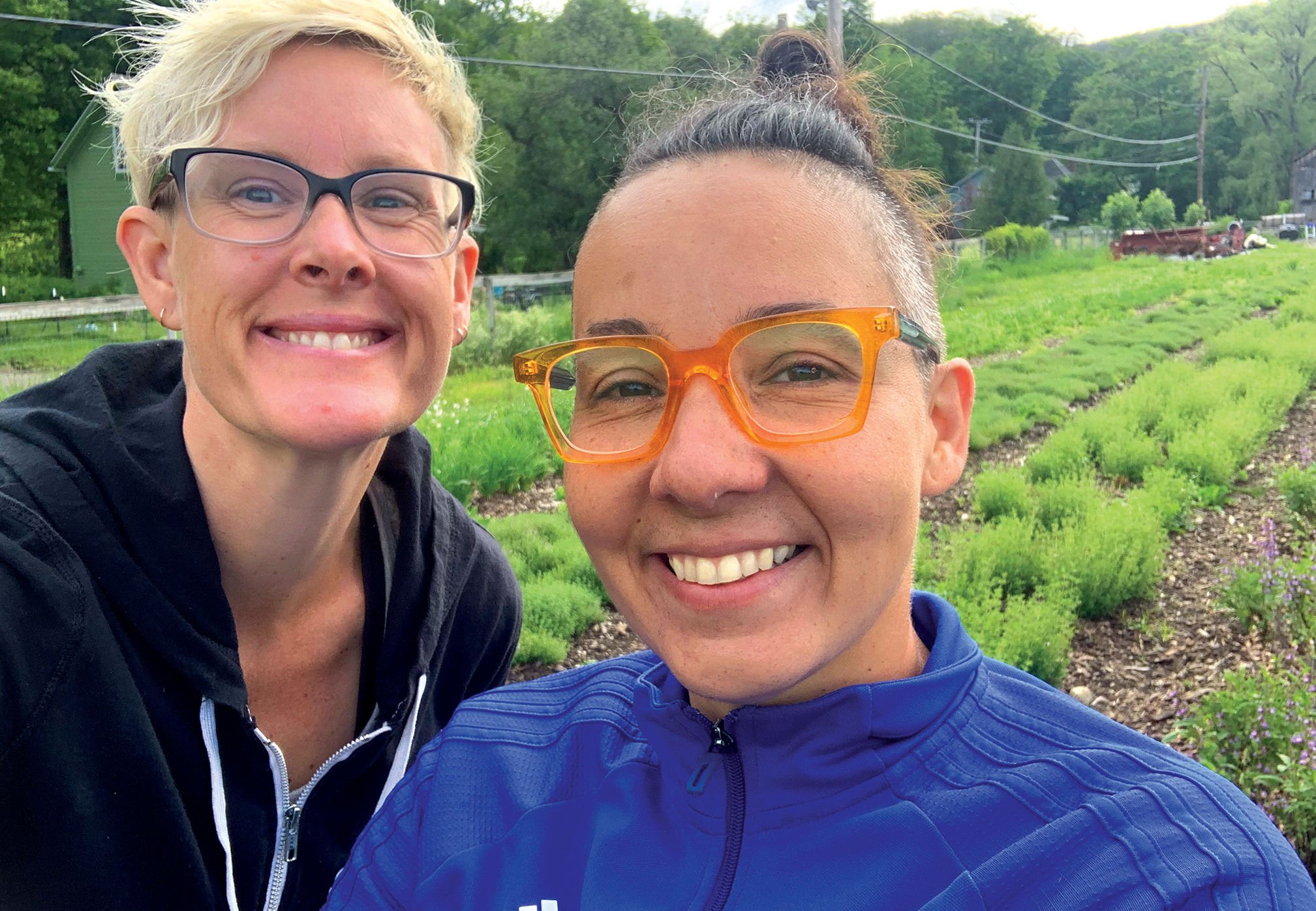
Maggie Cheney (left) and D Rooney at their farm in upstate New York.
“In the queer community, there’s never an either or.
There’s always another option.
Its not about the binary,” says Rise & Root co-owner Michaela Hayes-Hodge.
“This is true in farming in particular.”
We’re here for all the people that tend to get left out.
We know what it’s like to be left out.”
“We can’t operate in a bubble,” Cheney says.
“We are just a blip of time in the history of food production,” Cheney says.
“We’ve had the opportunity to connect with farmers from all over the place.
We want our projects to succeed so that more can succeed.”
For them, that’s true growth.
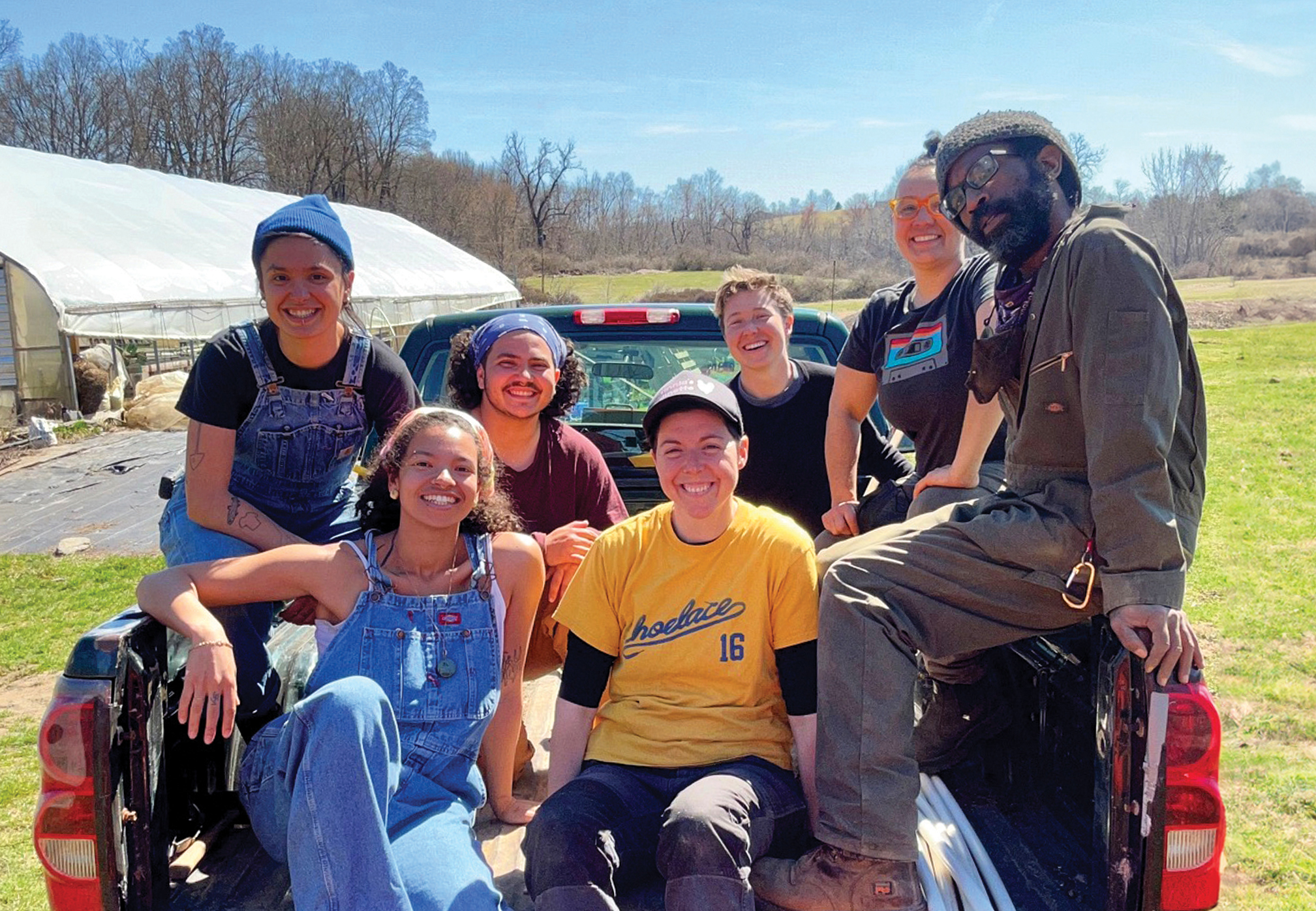
The Rock Steady crew.
Soap star Carli Norris shared the hilarious story in a new interview.
Featuring plenty of Kate Moss.
This slicked-back bun is the stuff of legends.
