The procedure is positioned as an investment for women and their futures.
But its also expensiveputting those who do it into serious debt, as theyre forced to finance their fertility.
When you purchase through links on our site, we may earn an affiliate commission.Heres how it works.

Its probably come up in your group chat.
Maybe that someone is you.
No doubt, thats not the only place youve heard about it.
The KardashiansKhloe and Kourtney to be specifichave spoken out about freezing their eggs.
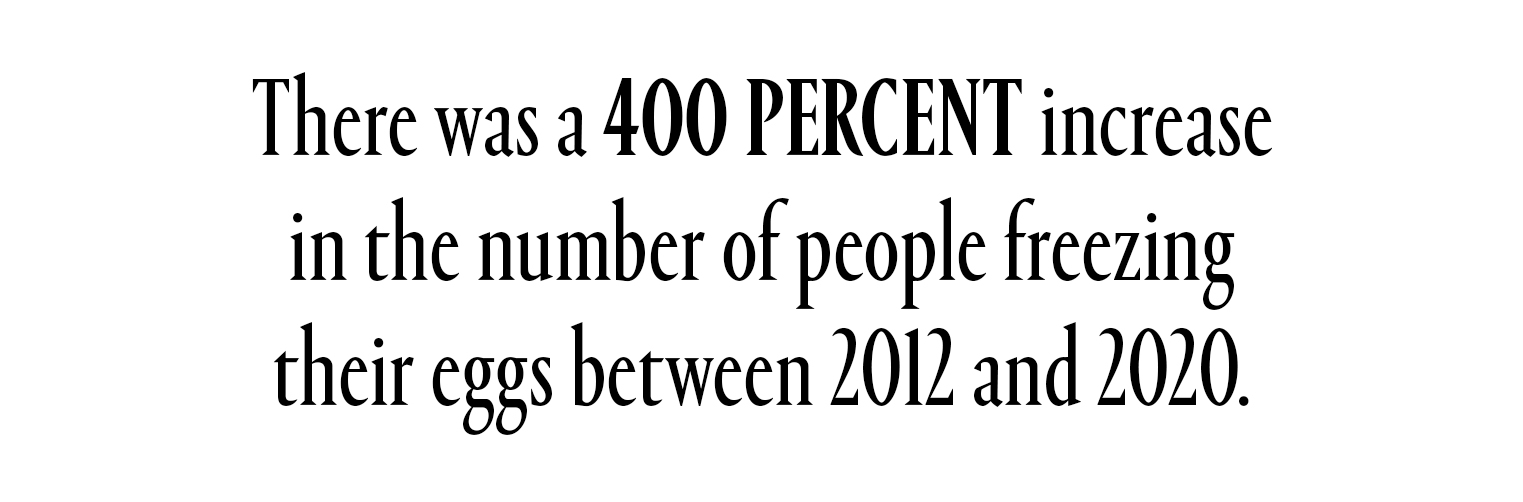
Then there are the numbers.
Mostly, thats a good thing.
But is that totally true?
To freeze their eggs, many women are finding themselves in precarious financial positions.
According to a survey conducted by Market Cube, 70 percent of respondents incurred debt from fertility treatments.
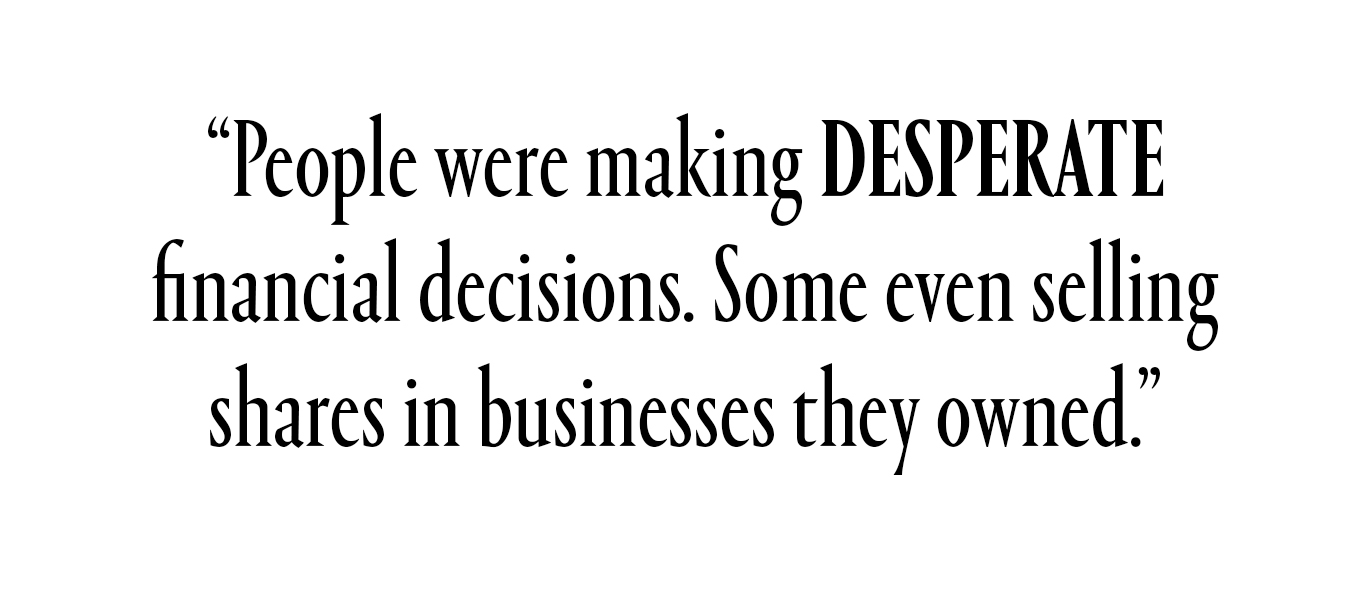
People were making desperate financial decisions, she says.
Some even selling shares in businesses they owned.
The affordability gap has given rise to a cottage industry of fertility financing.

Double digits can mean as high as 36 percent.
Recognizing the need for better financial support, there are clinics that are trying to help.
Some fertility financing companies are adding transparency to the process, too.

Their plans run for about 60 months, and range between $300 and $475 a month.
To do so, she went beyond her limits, physically, emotionally, and financially.
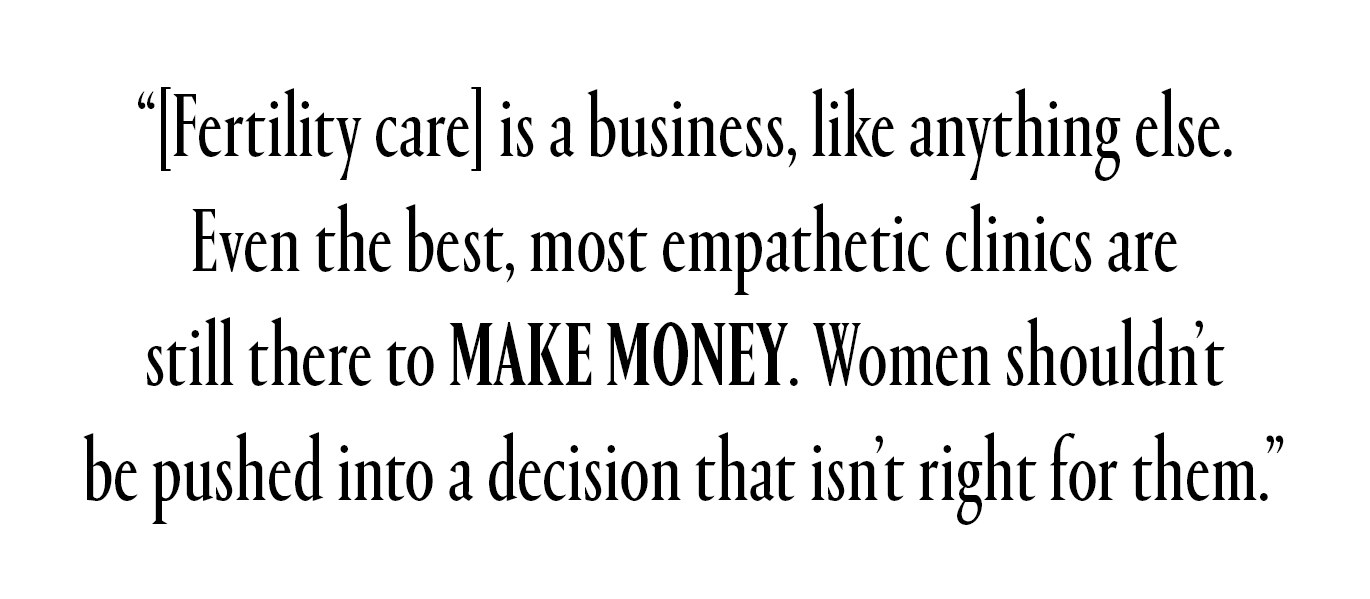
Santos adds: [Fertility care] is a business, like anything else.

Even the best, most empathetic clinics are still there to make money.
Women shouldnt be pushed into a decision that isnt right for them.
Rastegar knew there needed to be a breakthrough.

It uses an algorithm to adjust to your unique bio data.
The company will guarantee the cost is accurate or up to 90 percent of your money back.
There are other disruptors.

But even that has its problems.
Employer benefits are rarely robust, and not enough to get to the finish line, says Makler.
At Amazon, family-planning benefits, including egg freezing, kick in on the first day of employment.
So far, about 30,000 people have leveraged these benefits, according to the company.
To get to the kind of systemic shape-shifting thats needed for real change, will require something even bigger.
Starting with state mandates that require insurance companies to cover fertility care.
Says Rastagar, Fertility treatments should not just be for the one percent.
Read other stories from the issue.
Denim shorts on deck.
The best perfumes of the season, according to our Beauty Director.
In an interview about her real estate career?
