‘Marie Claire’ reports from the air.
When you purchase through links on our site, we may earn an affiliate commission.Heres how it works.
The first person Clyde* helped get an abortion was a stranger.
The text came in, urgent and last-minute.One passenger.
Spanish speaker.Clyde was worried.
Not about helping, but about the weather.
There were over 300 miles to travel, one way, in a small four-seat plane.
Not necessarily dangerous, but risky.
To wait would mean a missed appointment at the clinic, though.
That’s the rub when you have limited options.
Okay, he texted.I’ll go.
Except she didn’t show.
Clyde texted, asking where she was.
Clyde texted, confirming the directions.
Clyde texted, a selfie so she could find him even though there was no one else around.
Eventually, after some back and forth, two headlights appeared in the thicket of darkness.
Another woman in her early 20s got out, tucking a small cloth bag under her arm.
He got emotional thinking about it.
Clyde thought,Why do people want to treat women like this?
By that afternoon, she wasn’t pregnant anymore.
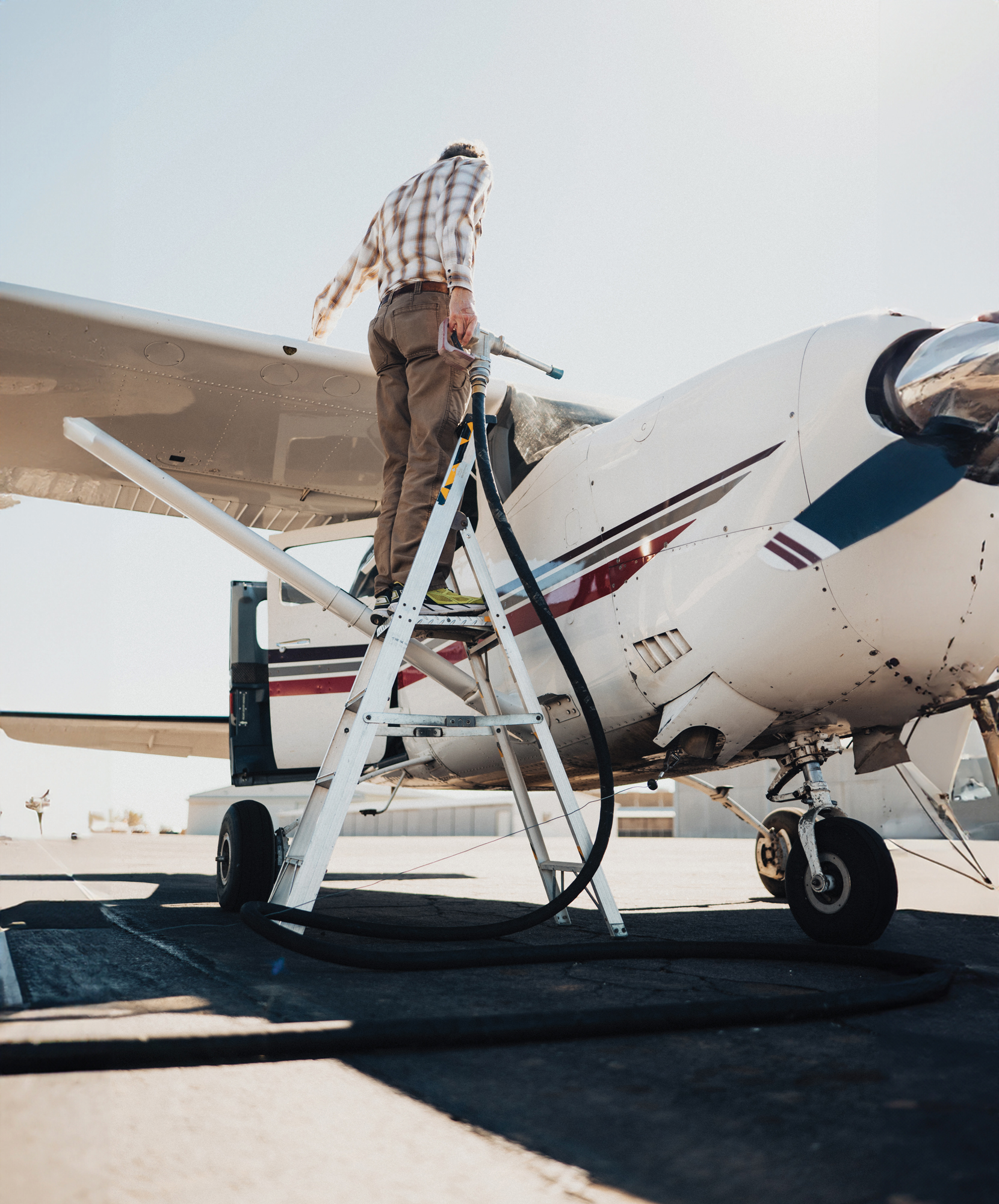
Clyde fueling his plane at a remote airport halfway through a trip in the deep South.
Fourteen states criminalized abortion.
And just last year, over 300 pieces of legislation were proposed that wouldrestrict access even further.
They have to leave the South or they have to leave the Midwest.
They have far to go."
Sometimes the distance so vast, it becomes impossible.
Mike was new to the abortion movement.
By the end of the workshop, Mike was changed.
He began volunteering; mostly using his tech background to help maintain the website.
While there, he saw the struggles women faced to get an abortion, even before the fall ofRoe.

In many states in the South and Midwest, abortion access was already meager.
Women were supposed to have agency over their bodies.
Women were supposed to have choices.

They were supposed to have equal rights.
But maybe he could help.
What if it didn’t take days to get to where they had to go?

What if they could get in a private plane and fly to get the care they needed?
At most small airports, there’s no security, no one asking to see your ID.
You walk up to a plane, get in, and go.
And “air care” is not a new concept.
Writer Andrea Stanley flying with Clyde in November.
But he kept being told the same thing:Pilots are too conservative.
And I think our pilot roster is diverse.
We have a number of veterans, doctors, lawyers, clergy; several married couples."
While not often, a few pilots have been rejected, for a variety of reasons.
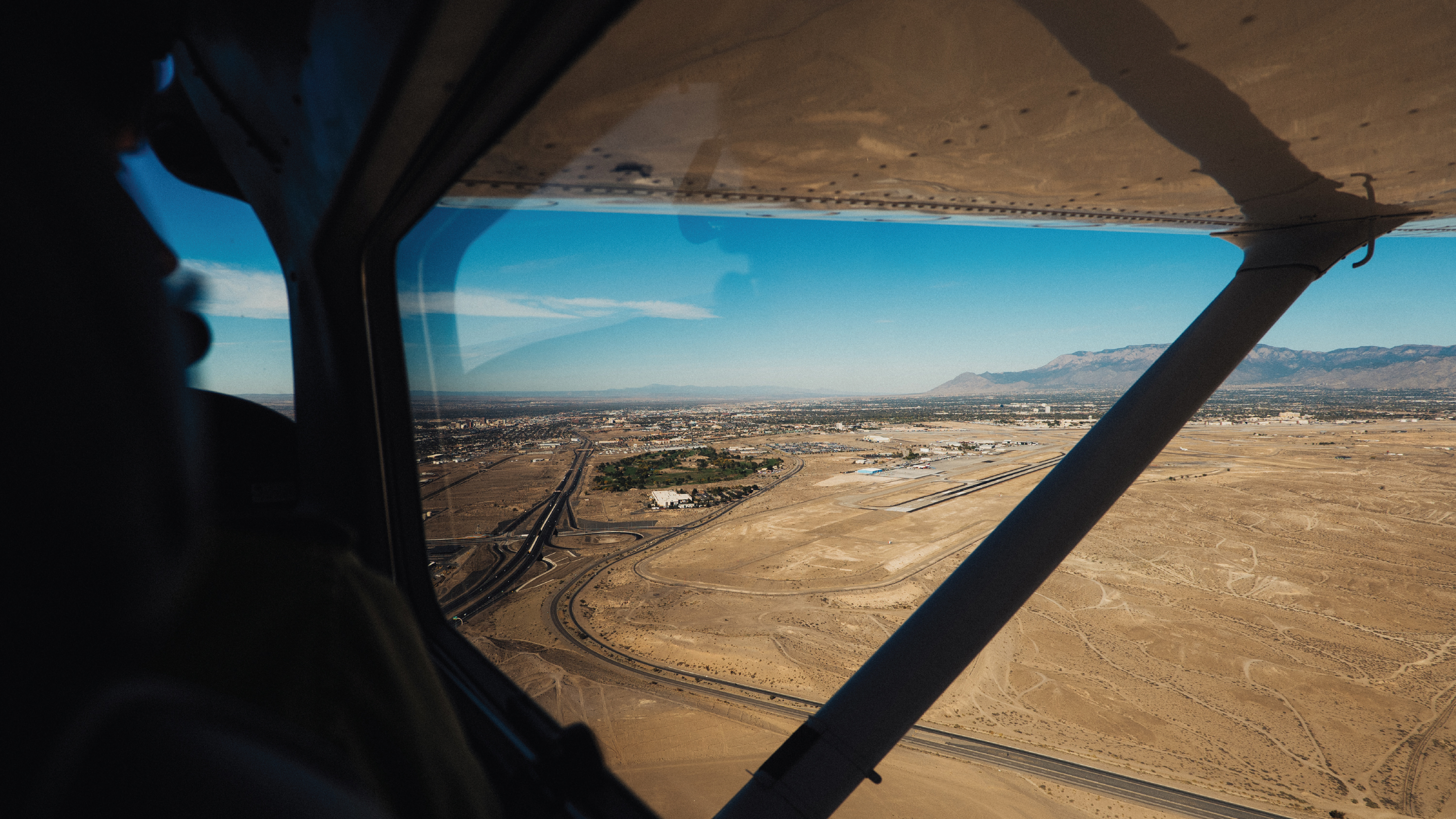
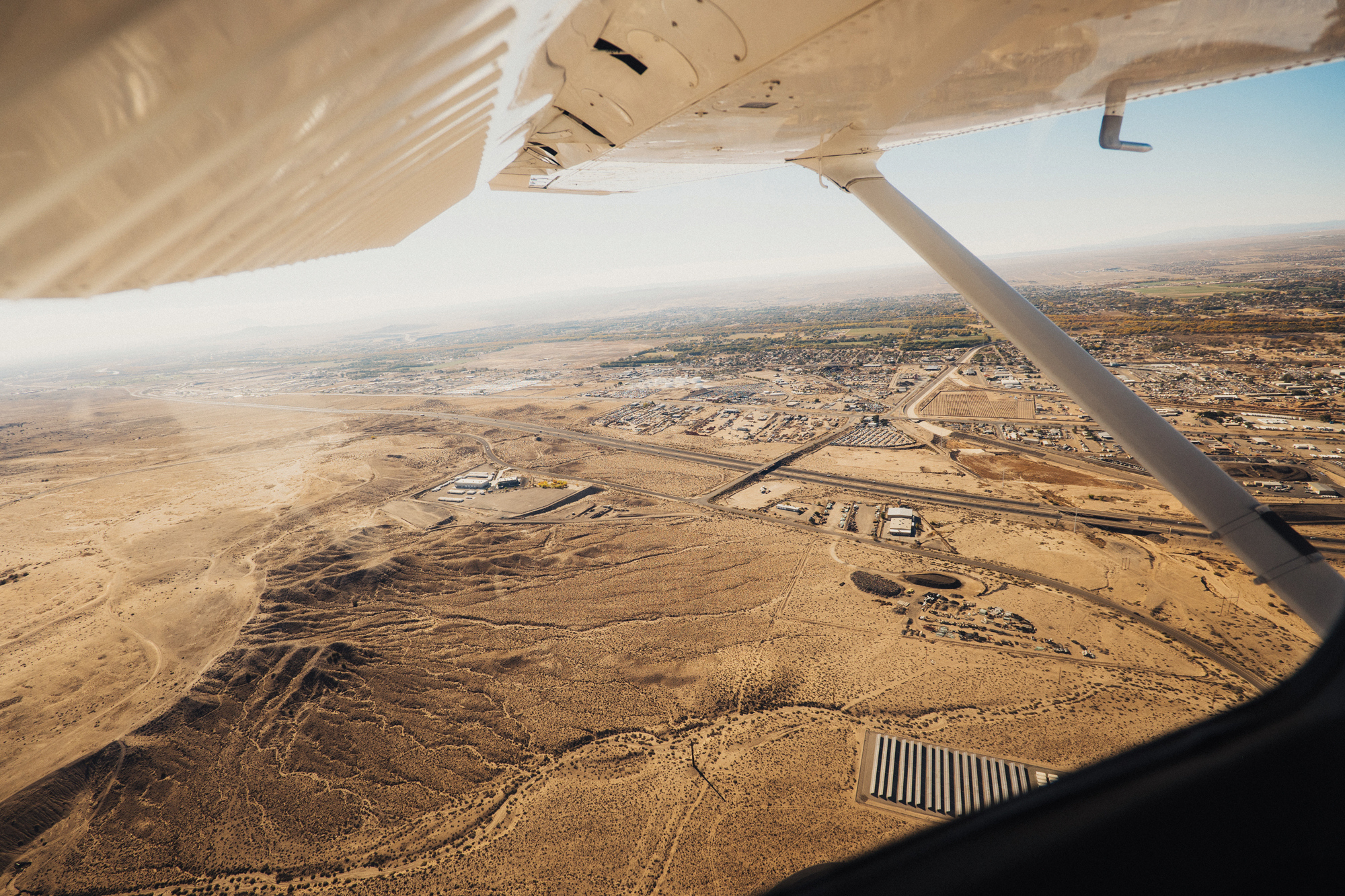
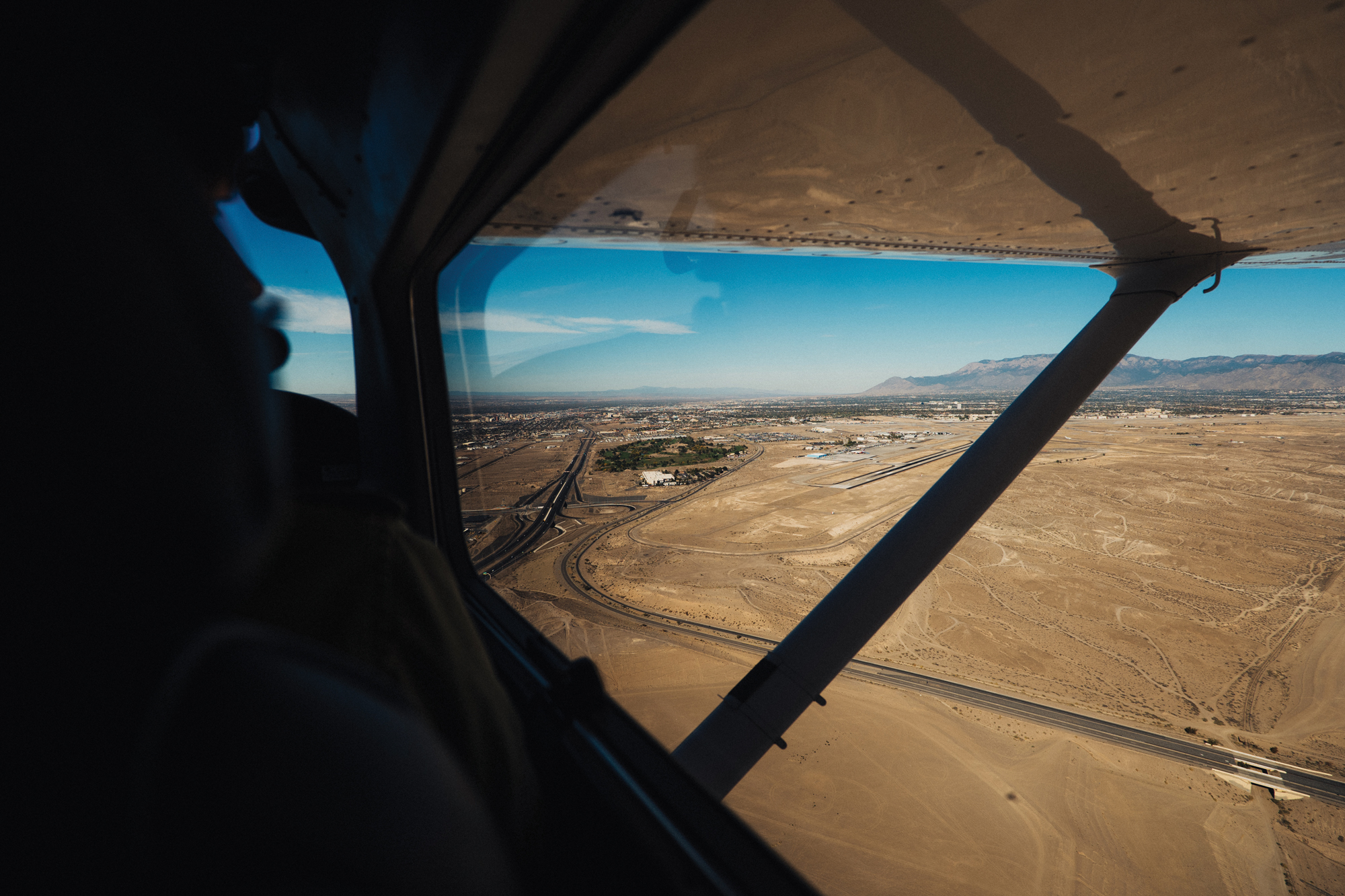
A remote area of land from the window of Clyde’s plane.
The way it works: A referral comes in from one of Elevated Access’s partners.
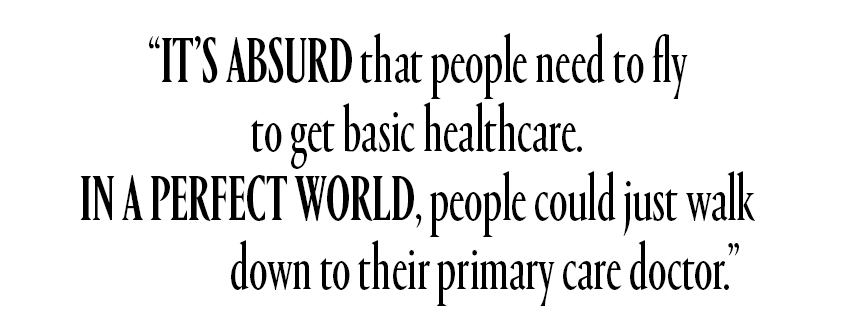
“It’s absurd that people need to fly to get basic healthcare.
It’s definitely been a game changer for us.”
His third “mission” for Elevated Access, as they’re commonly referred within the organization.
On the tarmac sit rows of small aircraft, empty and parked.
It’s quiet and remote.
There’s fog as thick as cotton, but not enough to prevent us from taking off.
An illusion that we are all in this together.
We’re flying to the Southwest, where Clyde is returning home after the latest flight.
This time, a woman with two children accompanying her, a teenager and a toddler.
Star-shaped crackers litter the floor.
Empty granola bar and Rice Krispies Treats wrappers are stuffed in a Ziploc bag.
Surely there would be room.
He texted her back,It’s no problem.
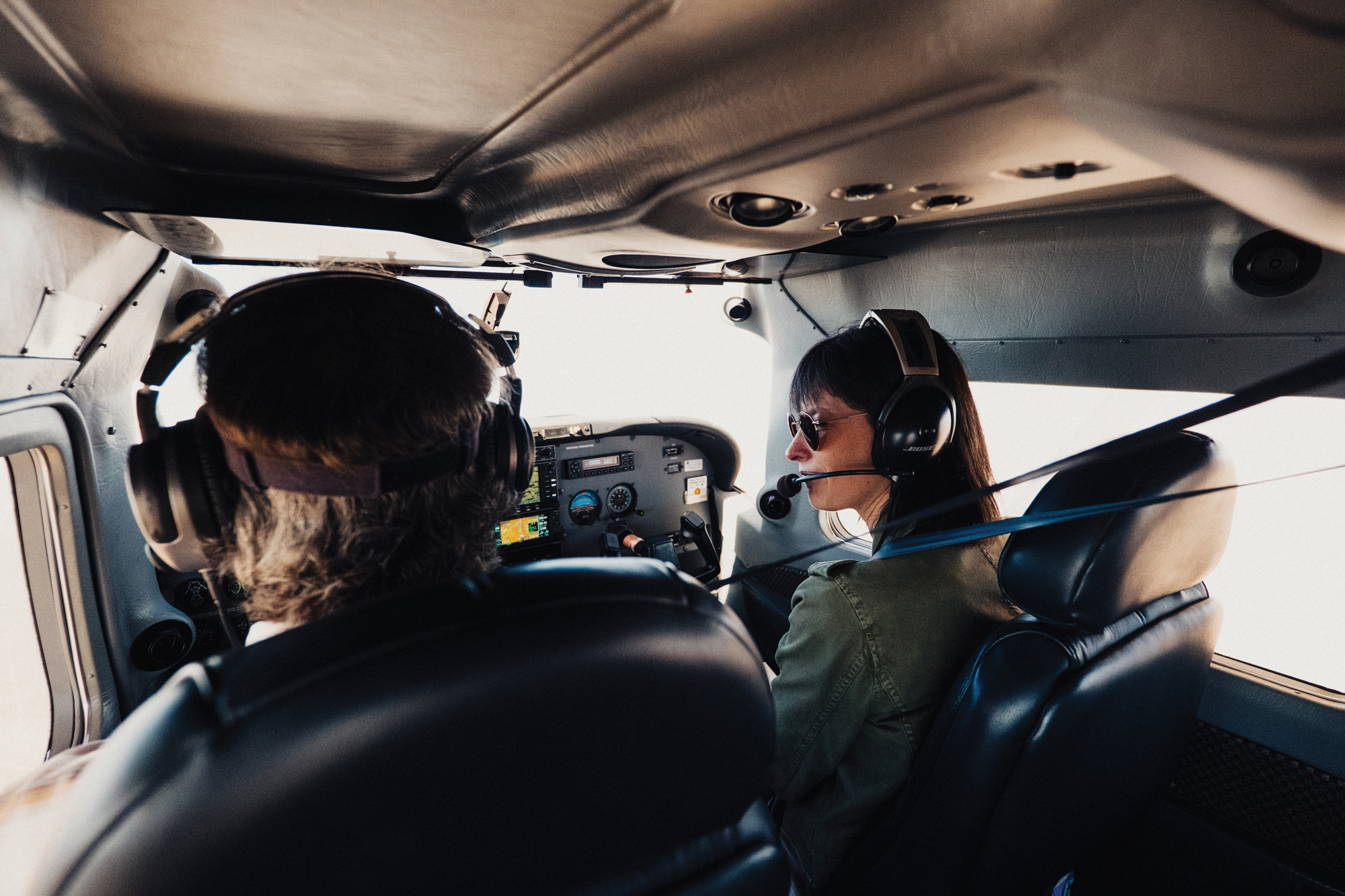
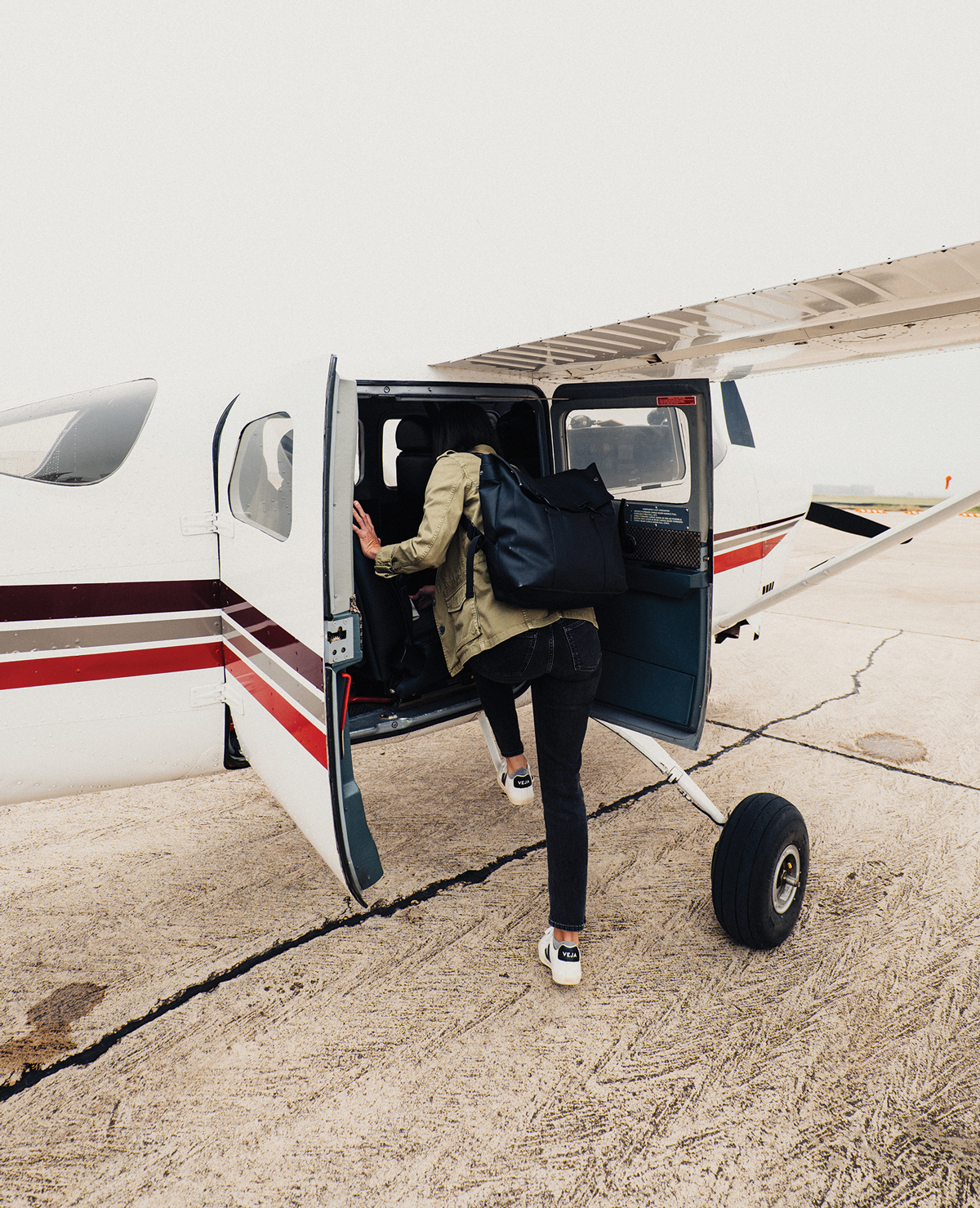
Stanley getting into Clyde’s four-seat Cessna for a four-hour flight.
Our flight is four hours.
There, Clyde tells me about how he considers this work a higher calling.
In many ways, he’s always been committed to the arc of justice.
He protested the Vietnam War.
He tried to unionize while working as a river guide decades ago and got fired.
His friends and family know about his work with Elevated Access and describe it as heroic.
He would describe it as necessary and not enough.
It blows the door closest to Clyde open, just a crack.
Something he needs to get fixed, he tells me, as he pulls it shut.It’s fine.
While easier than other options, it’s still laborious and comes with a lot of uncertainty.
Most pilots I talk to, including Clyde, tell me that the passengers do just fine.
They mostly aren’t bothered by the bumps.
It strikes me that the alternative for these women is far scarier.
I’ve done tens of thousands of miles in the air.
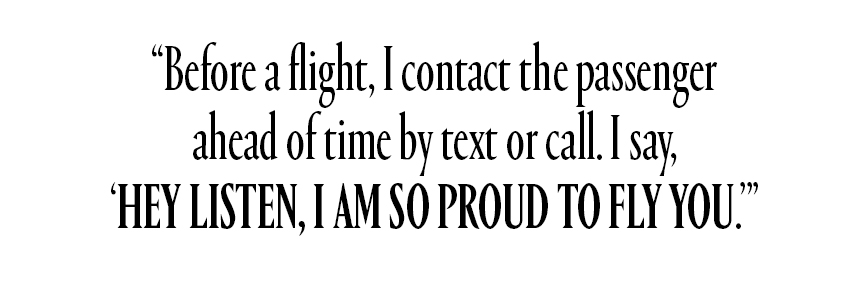
I care about you.
You are my number one priority for the day.
We’re going to get you there and we’re going to get you home.’
And you hear this big sigh of relief that they don’t have to explain themselves."
“This is their flight.
And every single time their eyes light up and they want to be in the cockpit.
Mid-flight for Clyde’s third Elevated Access “mission.”
“I’ve been in the arts my whole life, on stage and off,” Robin says.
“I had my own business in New York City.”
But during the pandemic, Robin was listless.
Her livelihood depended on Broadway shows, in-person entertainment, which had halted.
She was feeling low.
And then worse after she heard aboutDobbs.
While researching ways to help, Robin learned about Elevated Access.
It felt like an “ahamoment,” she says.
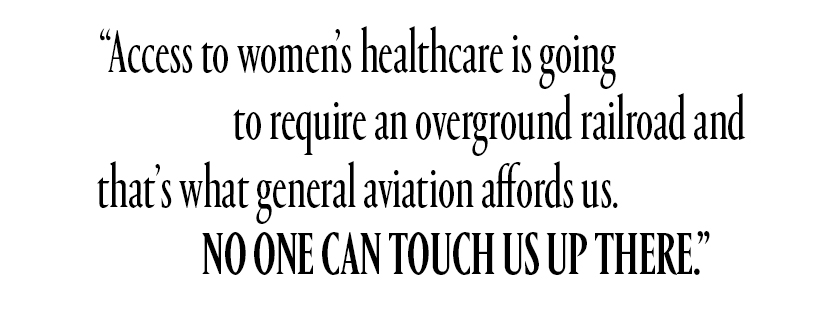
No one can touch us up there,” she says.
“I dropped everything, closed up shop and moved to the Southeast.
I called a flight school in Atlanta and said, ‘Put me in the air.’
I’ve been flying three to four, sometimes five days a week since, towards this achievement.”
Since becoming certified as a pilot, she’s done around 10 flights for Elevated Access.
“There’s no signpost in the air that says you’re now leaving Kansas.
You’re going where you’re going and you’ve collapsed all of the spaces in between.”
As of now, Elevated Access has been able to operate without any issues.
“We’ve not had any government interference, knock on wood,” Fiona says.
“One reason, we’re careful.
We’re not out there trying to pick a fight.
We try hard to stay off the radar.”
But that might not matter.
A private flight can be faster than driving hundreds of miles across states.
“The bill is really expansive.
It’s expansive enough that a prosecuting attorney could make the argument: Well you gave them money.
You gave them the name of a clinic out of state.
You provided a website address.
“You flew them in your plane.
“If you could normalize not helping young people, then later you could normalize not helping adults.”
“But the goal, really, is to scare people; to stop people from helping.”
Later this year, theU.S.
He’s done two more flights since I’ve last seen him, and is eager to do more.
Just days before, he got a text about another woman in need of a ride.
He wanted to help, but he couldn’t.
He got the message as he was traveling out of town, on a cycling trip with friends.
Normally he would rework his plans, but this time the logistics weren’t in his favor.
*First names used to protect privacy
This story appears in the 2024 Makers issue of Marie Claire.
These dystopian books imagine a future where the worst has already happened.
Here’s what to know about the real-life ranches featured in the Netflix series.
