The industry is facing a wave of challenging conditions, from meager streaming profits to threats from AI.
One advocacy group believes it has the answer.
When you purchase through links on our site, we may earn an affiliate commission.Heres how it works.
Shed just learned that she had pneumonia after stopping at an urgent care clinic.
After three months on the road for back-to-back tours, the group was exhausted.
She finally had one, but it didnt change anything about her plans.
I hadn’t lost my voice; it didn’t even occur to me to cancel shows.
The headliner on that tour had also come down with pneumonia, and hadnt backed out of any stops.
Wed perform through anything unless we were physically unable, she says.
It was the reality of how people worked.That was back in 2014.
They needed the money.
Dupuis wanted to change that; to really shift how the finances of the music industry worked.
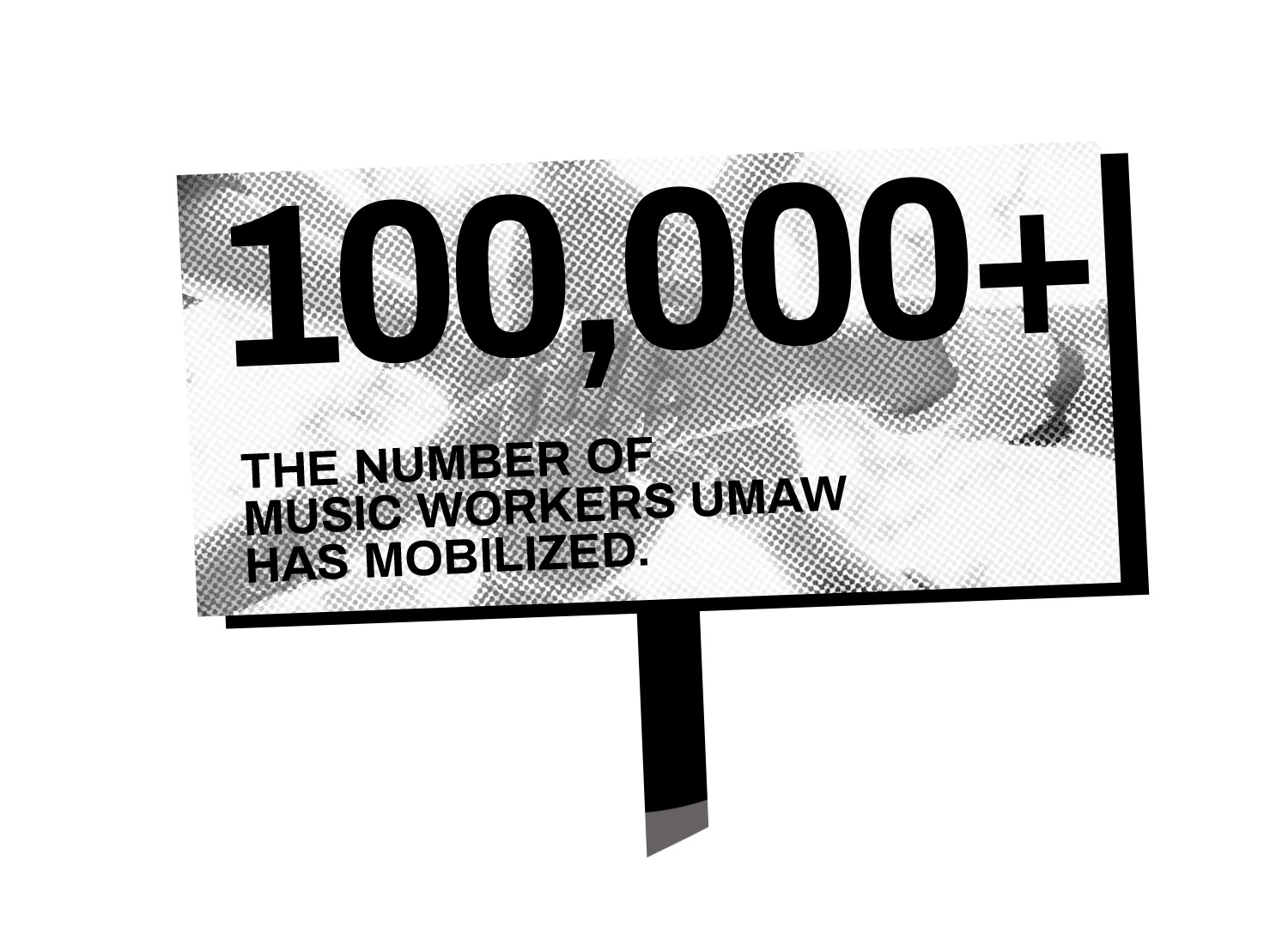
Dupuis believed that without a larger collective voice, artists would continue to struggle.
The group was announced publicly in May 2020.
Members make a self-determined monthly dues payment of $3 to $15.
Theyve opened local chapters in New York City, Los Angeles, Chicago, and Philadelphia.
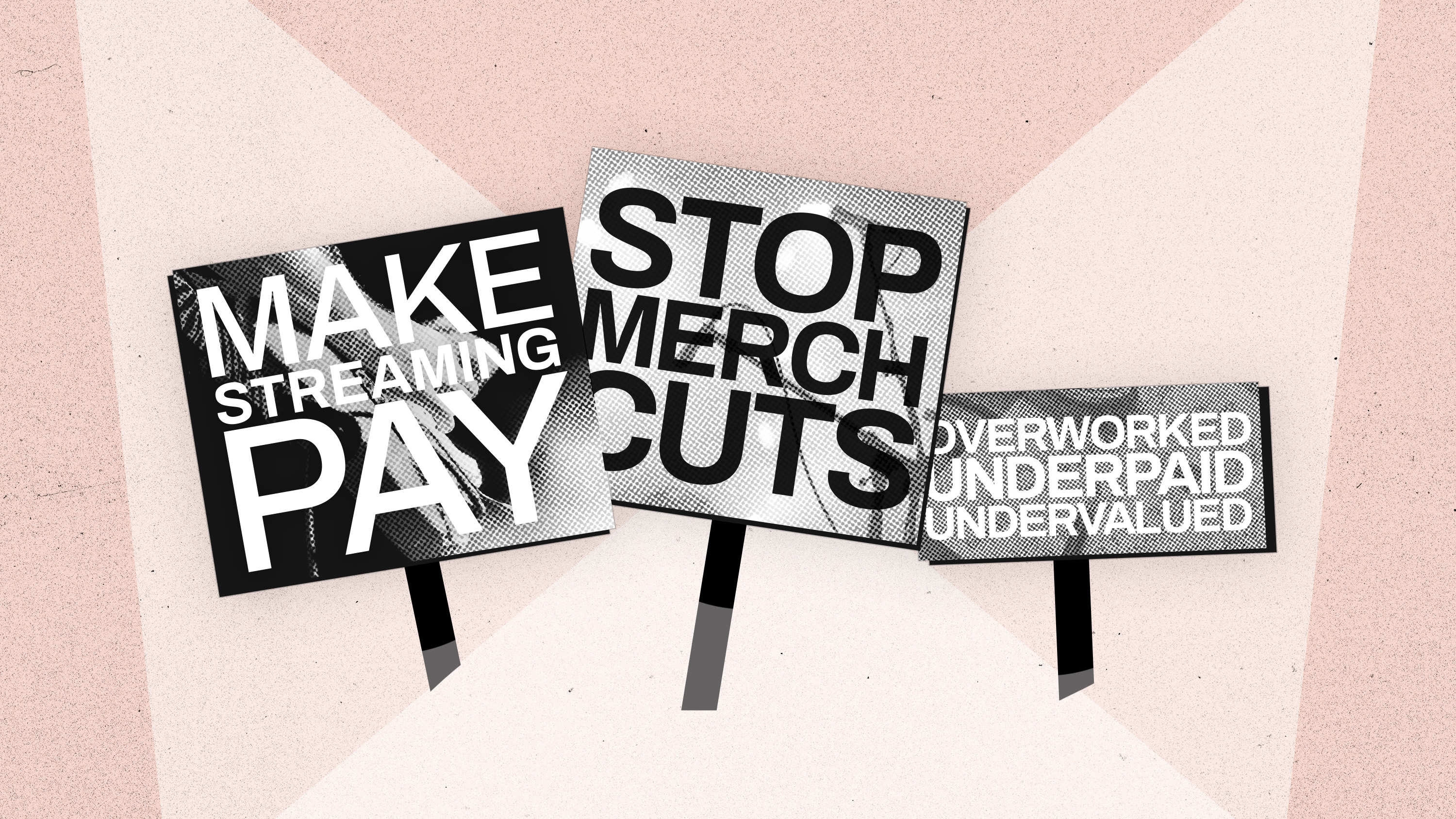
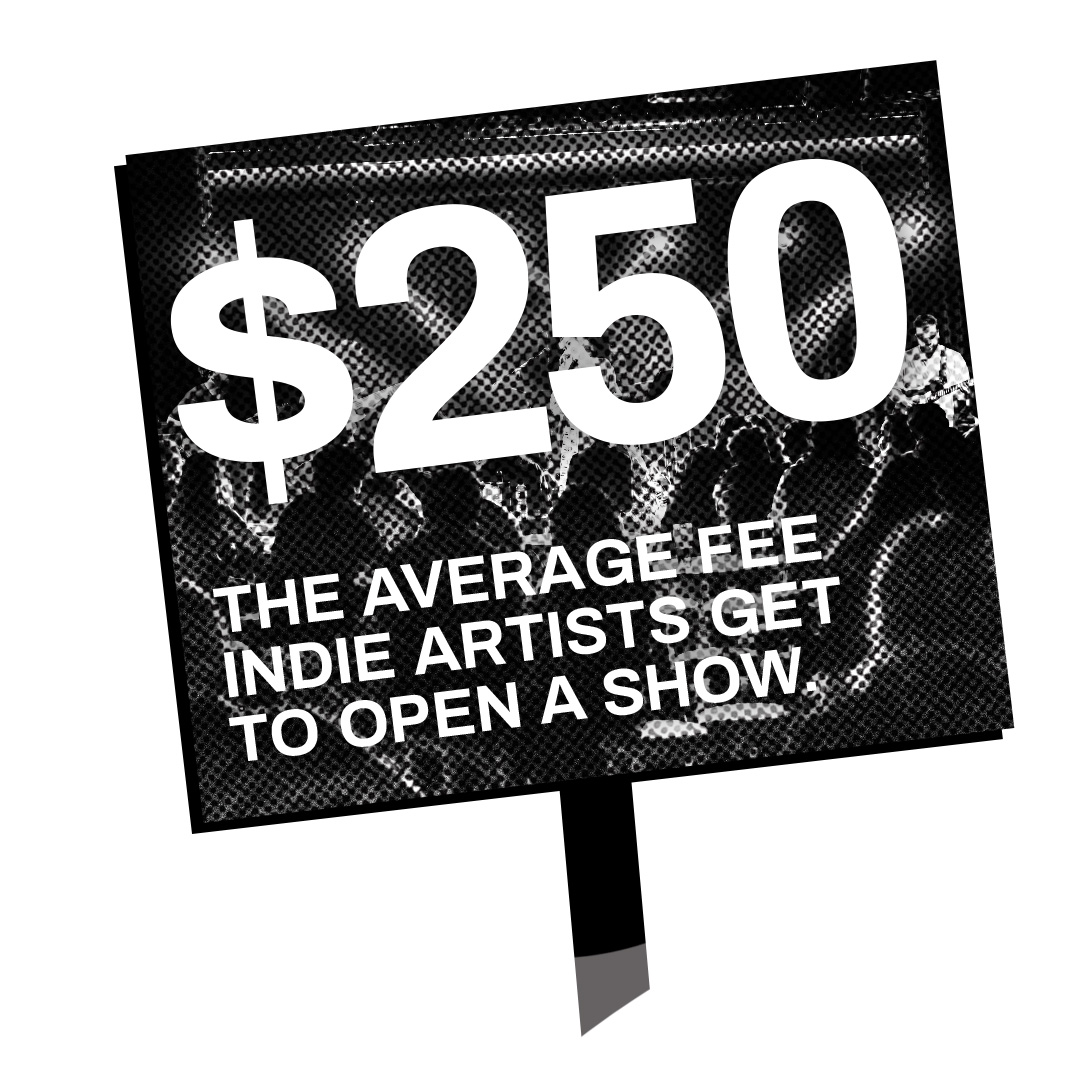
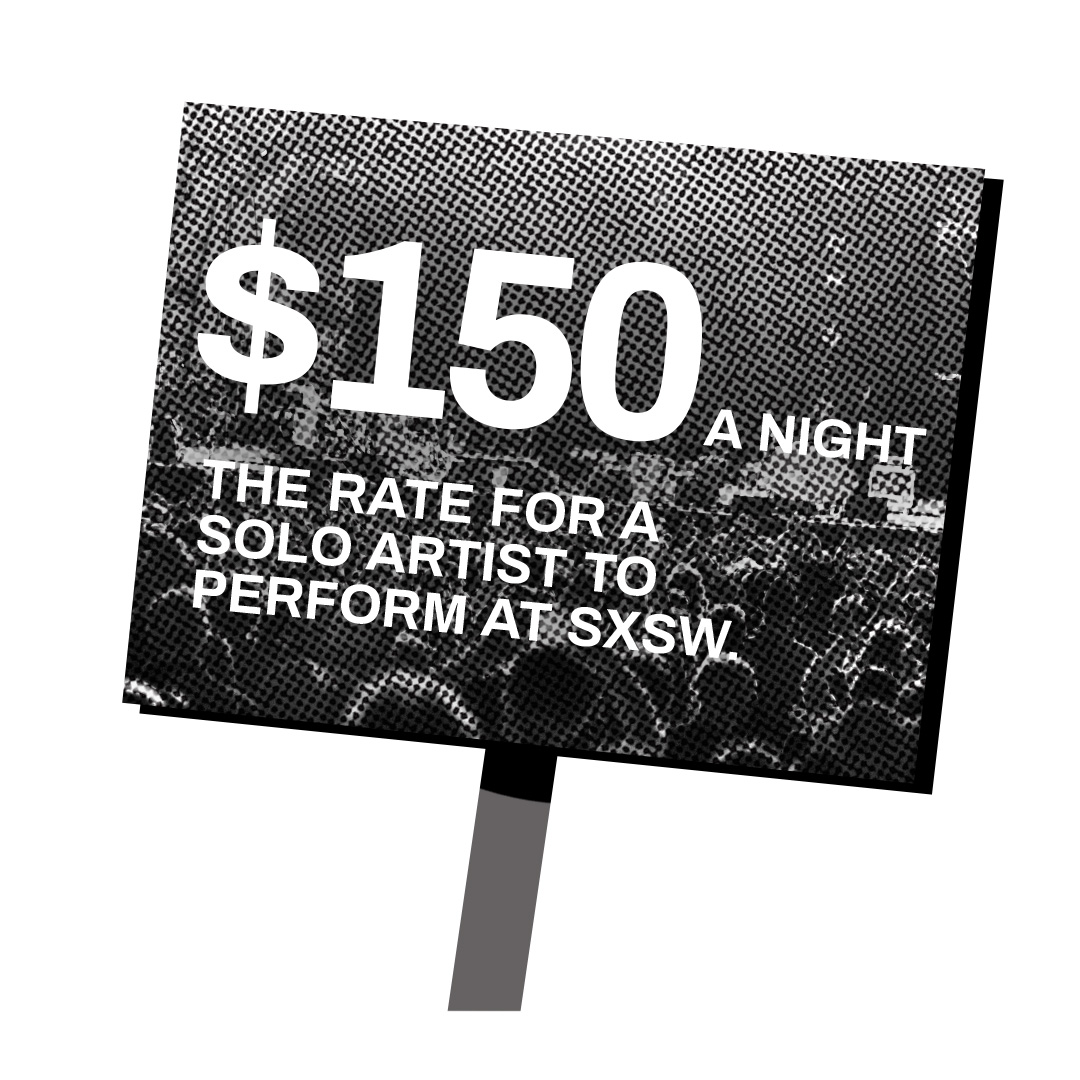
Opening bands fees haven’t really changed in several decades.
Every single cost goes back to the artist.
Theres so little room for profit on top.
Theres little control over how their music can be shared with audiences, too.
Then theres the threats from AI.

Many artists are concerned with how large companies will use it to avoid hiring real people.
It will for sure replace my friends who make their money as composers writing for ads.
Instead of a musician making money, now there’s just more corporate profit.
Despite the challenges, there have been wins.
Still paltry, UMAW believes, but its progress.
Then theres arguably the biggest issue plaguing the music industry right now: payouts from streaming.

And thats not to say you should make art to make money.
I don’t think anybodys getting into music to do that.
We cold emailed a lot of Congress members to start conversations, Nestel-Patt says.

One member had worked with U.S. Representative Rashida Tlaib of Michigan and made a connection.
It would be a life-changing amount of money to so many people.
Change will require consumers to play a role, too.
Which may mean paying more to listen to music they love.
People want to support their artists, Dupuis says.
They want to see their favorite artists be able to tour for many years to come.
This idea that you have to struggle for your art is ridiculous.
There’s no expectation to hustle and struggle and live through hell for your work.
Bringing artists together to have these types of conversations is important to UMAW.
Artists dont always see how their personal problems connect to larger public, systemic issues.
But for UMAW to keep moving forward, musicians need to recognize that they aren’t operating alone.
The shifting of mindsetsof consumers and artists and big businessesis not easy work.
True transformation will require time.
But who better to imagine a new way forward than a bunch of creators?
Leave your ballet flats in your checked bag.

Uncle Harry for the gifting win.
We’re already clearing our summer schedules for ‘Love Island: Beyond the Villa.’
The new comedy follows a modern Inuk woman determined to transform her life.
The showrunners still have plans to show how the girls get out of the wilderness.
We need to know about the future of the central will-they-won’t-they STAT.
That’s showbiz, baby!
Here’s what we know about the final installment of the hit Netflix K-drama.
