Artificial intelligence has a bias issue, discriminating against women and people of color the most.
Data scientist Rumman Chowdhury is on a mission to change that.
When you purchase through links on our site, we may earn an affiliate commission.Heres how it works.
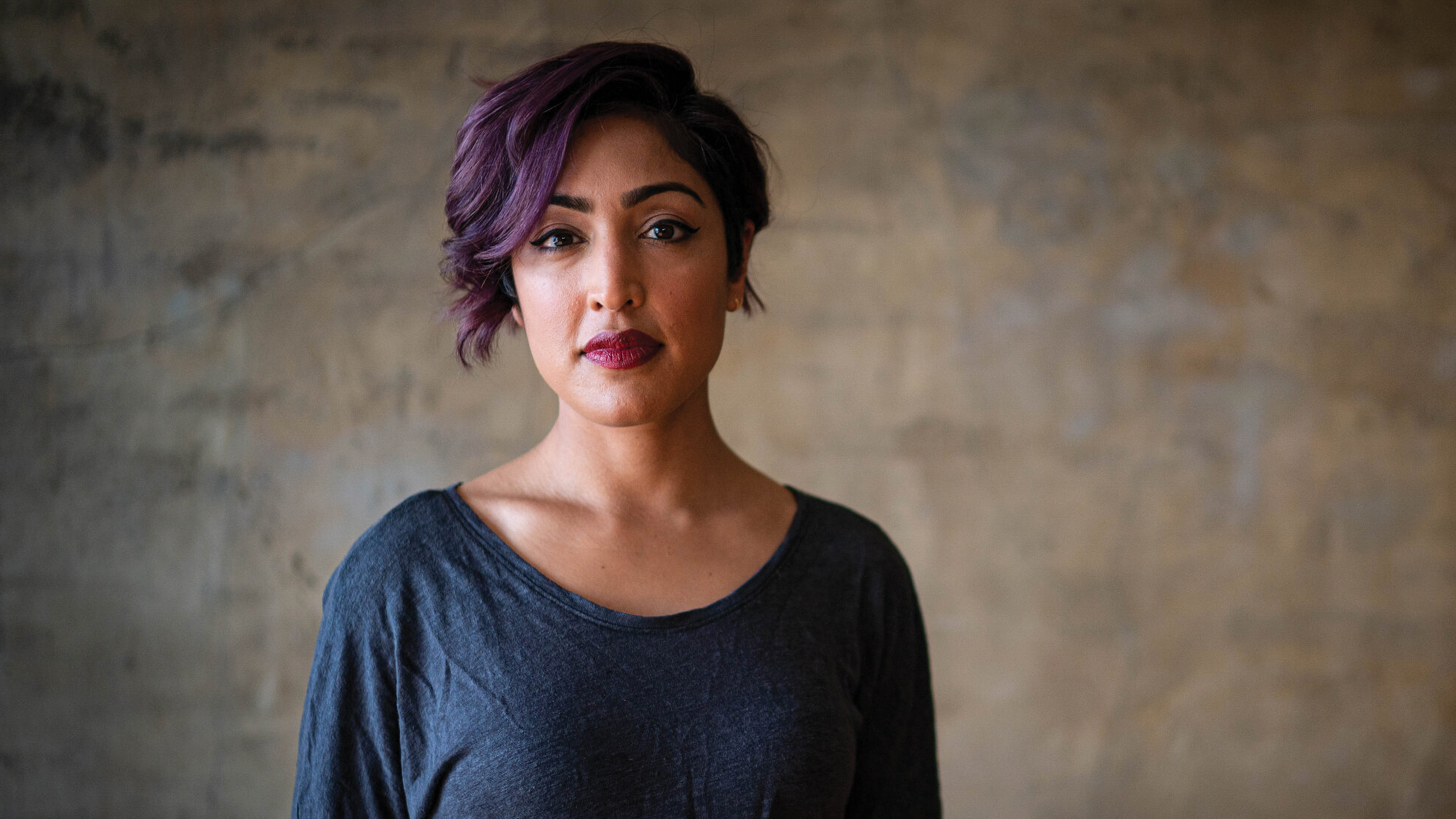
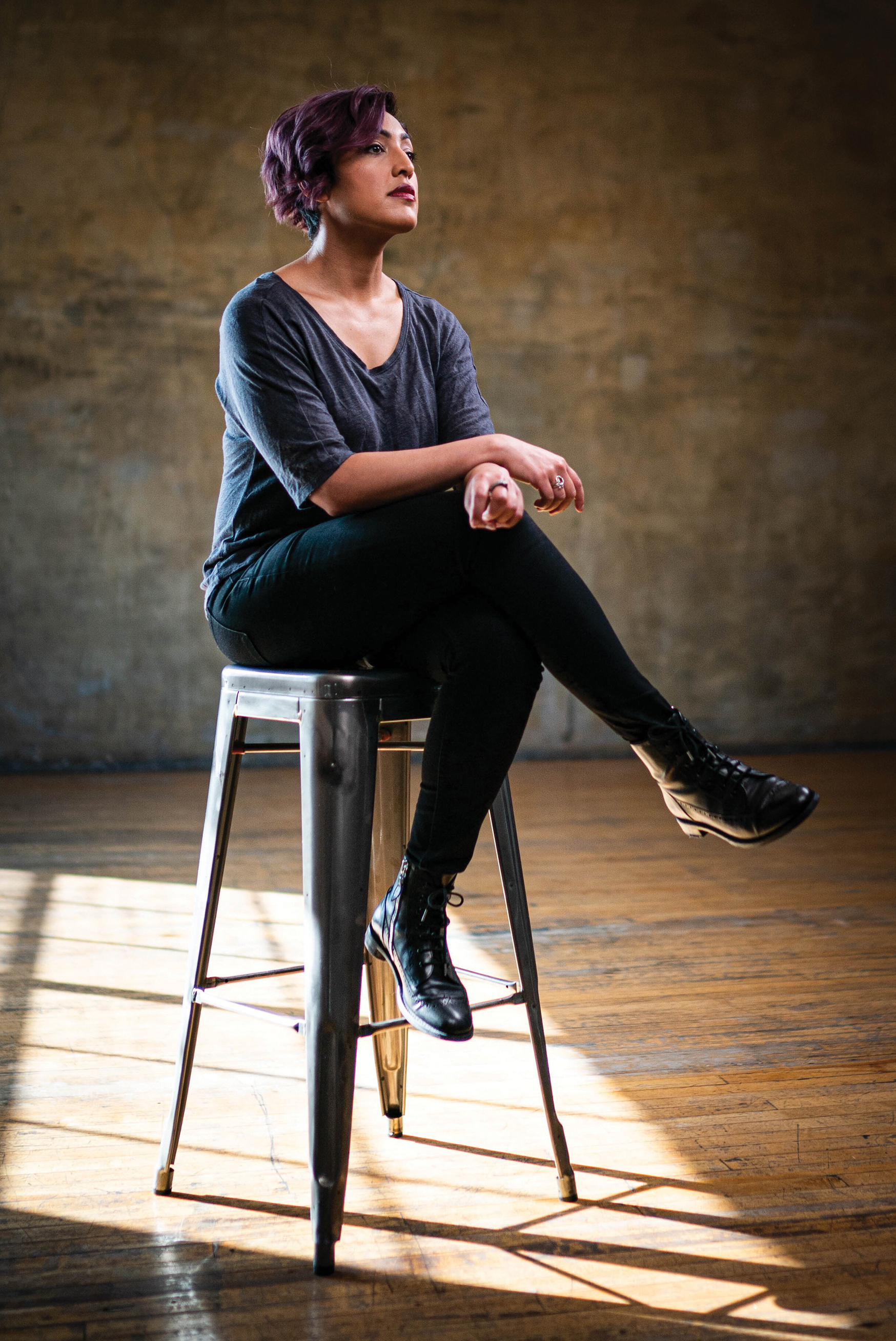
Dr. Rumman Chowdhury had three minutes to speak and wanted to make them count.
It wasn’t the first time Chowdhury was summoned by politicians to talk about artificial intelligence.
There was her testimony in July of this year in front of Congress.
In August, she co-led an AI hacking event supported by the White House.
But convincing power players that principled guardrails are needed has proved a challenge for Chowdhury.
“The absence of harmsomething we don’t always noticeis our success story.
Therefore, it’s difficult then to explain our value.
We are the reason things get better because we are the reason things aren’t worse.”
At the Forum, Chowdhury stood out as one of the few women of color in the room.
When it comes to AI, there are problems.
It’s the latter two things that Chowdhury is trying to combat with her nonprofit, Humane Intelligence.
Doing the right thing has always been important to Chowdhury.

You’ve always had a very strong sense of justice.'"
Doctors aren’t a demographic.
But as Chowdhury sees it, “Overwhelmingly, doctorsarea particular kind of person.
They have particular kinds of backgrounds.
Everyone does not have equal opportunity to become a doctor.”
We know what’s going to happen; who’snotgoing to be on the rocket ship."
There are other examples.
Facial recognition software has been shown to misidentify people with darker skin tones, especially Black women.
Chowdhury hopes that Humane Intelligence can help change that.
In the doomsday scenarios around AI, it’s a point that’s often missed.
The harm for underrepresented groups is already happening.
At least, not as it is now.
Eventually, that led her to study political science at Massachusetts Institute of Technology.
“I like the idea of understanding humanity using data,” Chowdhury says.
“I will create structure and guide that energy positively.”
That led her to the ethical AI team at X (then called Twitter).
The group searched for embedded biases in the social media platform’s algorithms.
A place where she could do the kind of work that has real impact.
“I’m from a more conservative culture and society,” she says.
I just cannot do it."
There’s a disconnect sometimes between the hopes and dreams and people taking action.
The other part is, sometimes people want technology to solve these problems for them.
The issue, too, isn’t justhowAI can potentially solve societal problems, butwhatis deemed a problem.
“I don’t think that should exist,” she says.
“Taking control of technological change versus being fearful of it is how we create inclusive futures.”
In other words, AI is already here.
No wonder she wears it constantly.
The Princess of Wales is switching up the way she marks birthdays.
She’s so back.
