The famed show is back on Broadway, and with it, a dazzling new group of creatives.
When you purchase through links on our site, we may earn an affiliate commission.Heres how it works.
Now, 50 years after its premiere,The Wizreturns to The Great White Way.
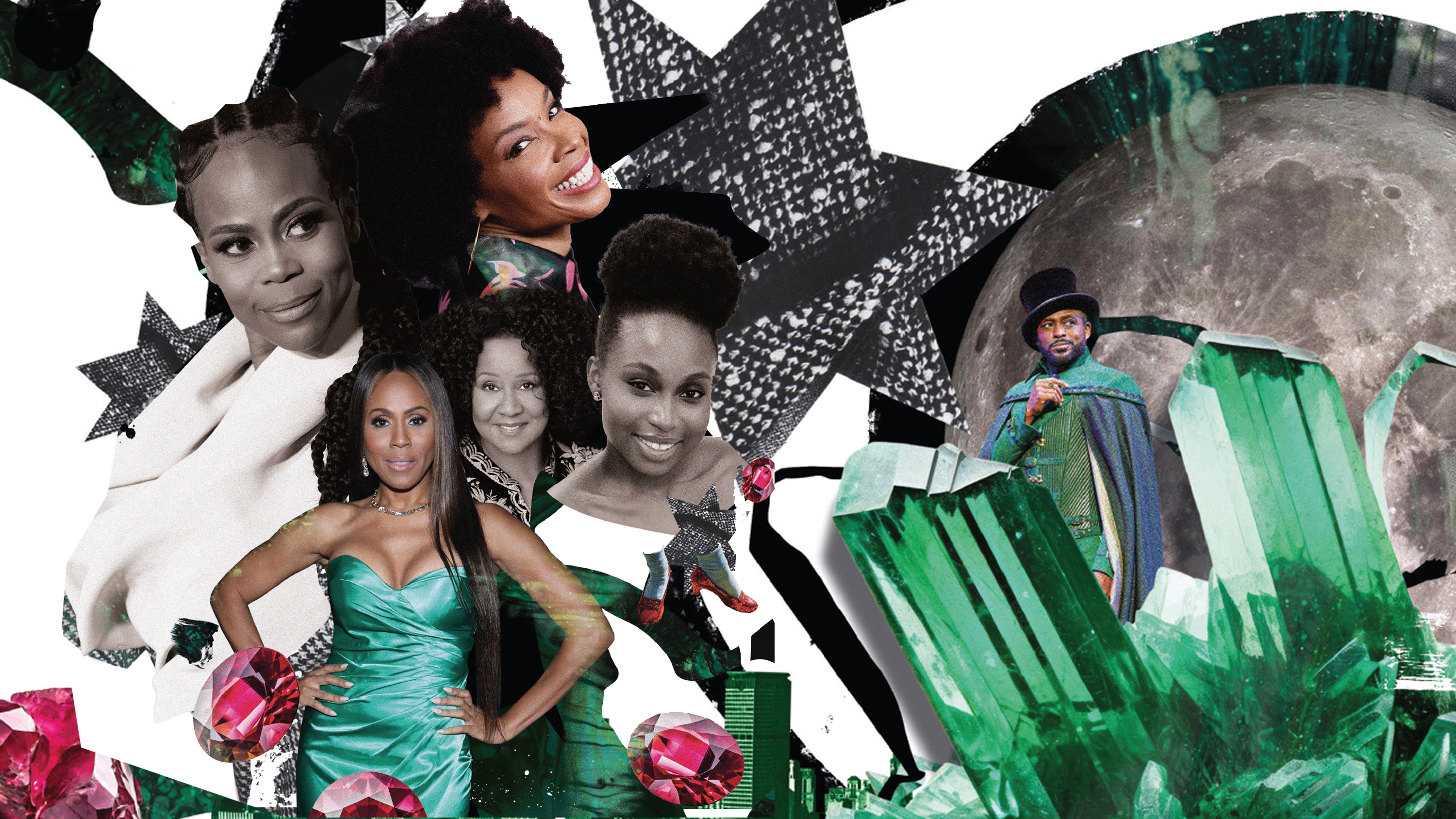
[Let’s] go around and introduce ourselves.
Well, I saw it last night, and I’m still not bored.
I’m still like a child in there.
Every time I see it, theres something different, and it is still so magical.
Hannah Beachler:I worked with Schele [Williams, director] previously.
We are from the same town.
We saw this show as little girls in the same theater in Dayton, Ohio.
I always say, ‘Look what it has inspired two girls in the middle of nowhere to become.’
So that’s how important this musical is.
Shes always resonated with me.
I felt like, Wow, that’s me, because I’m the weird one in my family.
The idea of playing a character that was going to give me license to be crazy was wonderful.
Where was the line between staying true to the material and also building your own legacy?
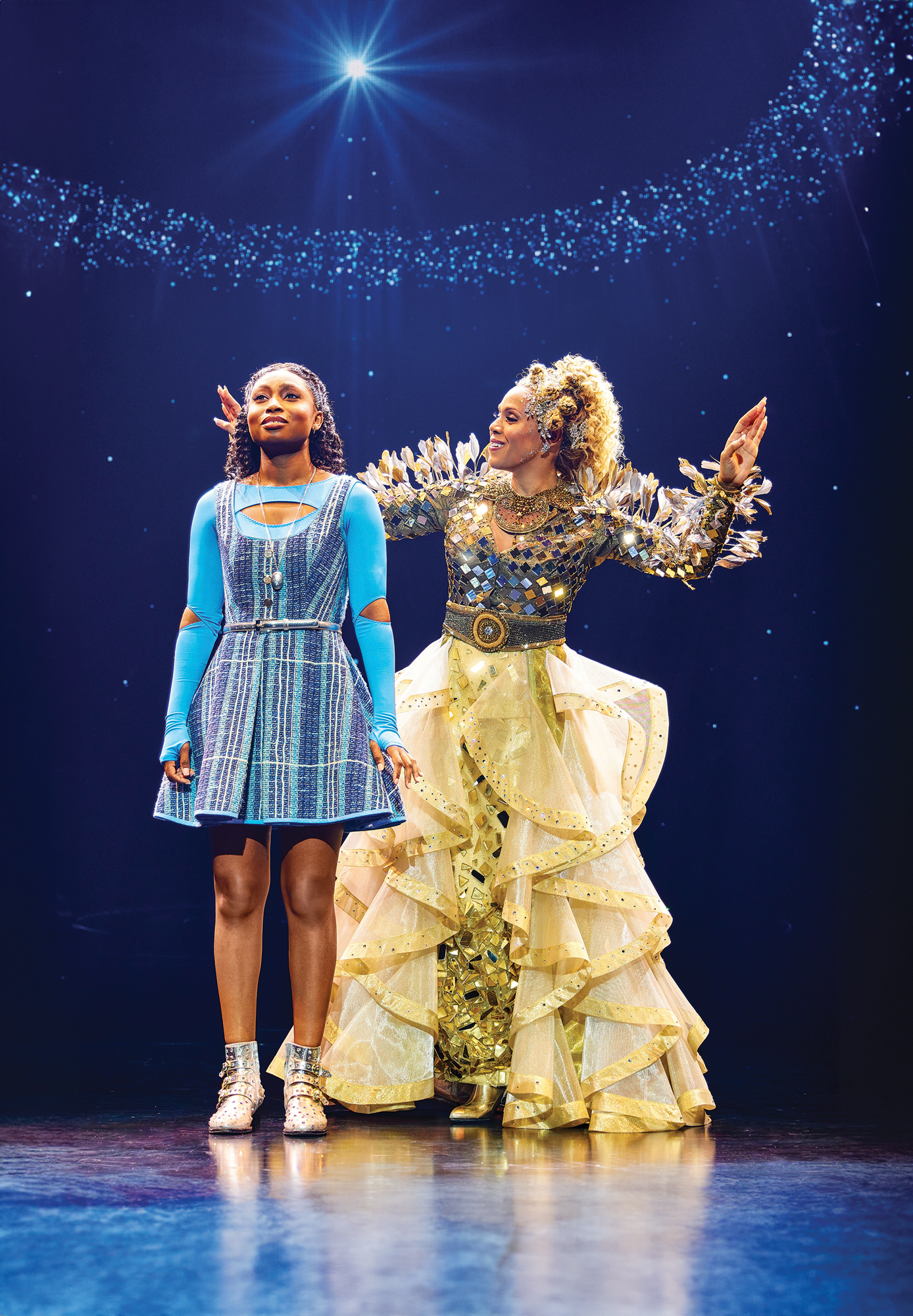
Dorothy (Nichelle Lewis) and Glinda (Deborah Cox) onstage.
HB:For me, it came in the evolution of Black culture.
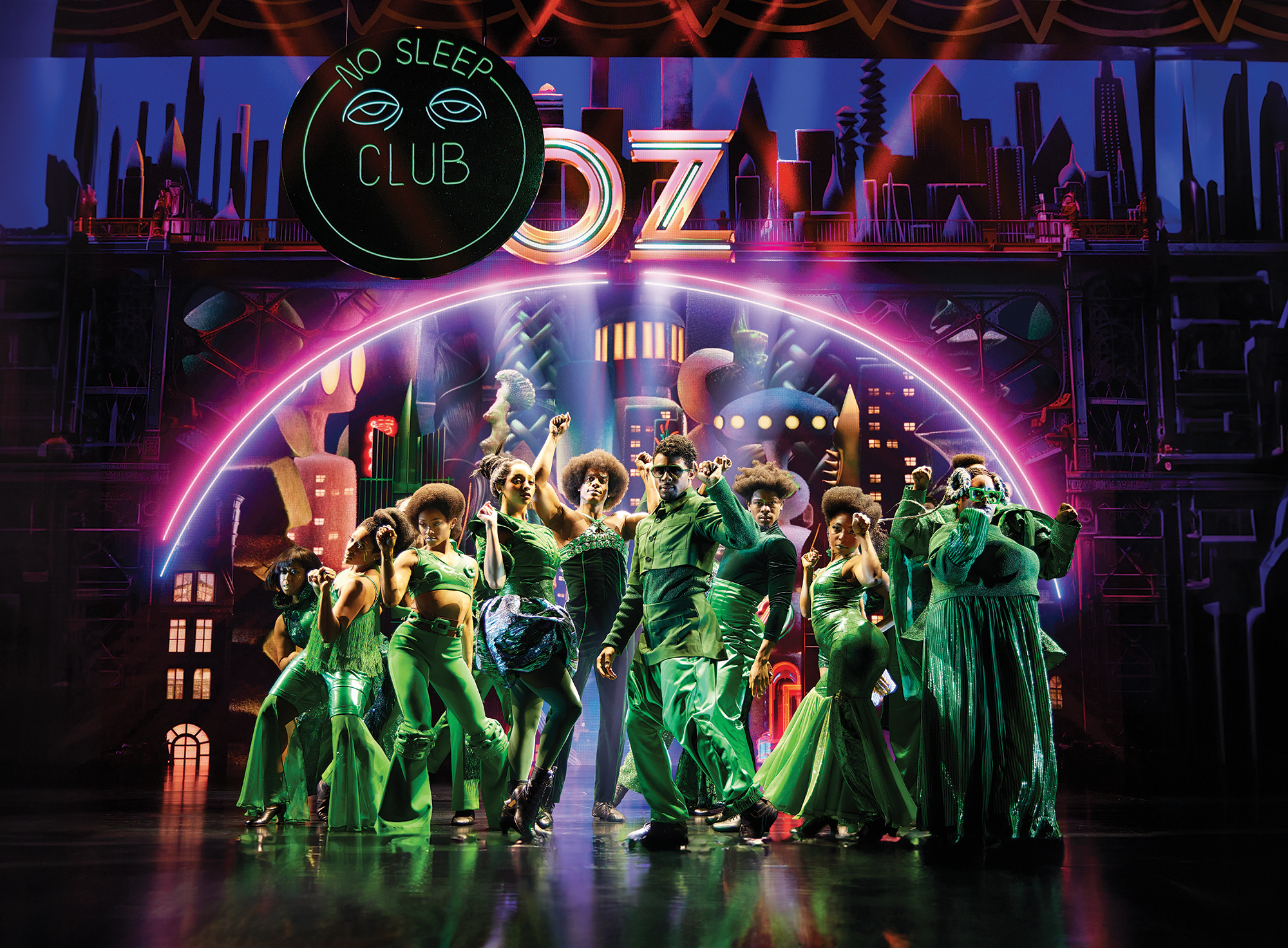
That was my guideline to how this show should be evolved from where it was.
So it’s like, how have we evolved as a community since then?
Where are we now as far as aesthetic?
It took my imagination and it really informed who I became.
It was just pure magic.
At 7 years old, that changes you on a molecular level.

That opens you up to know that there’s possibility.
I wanted to bring that out.
The boys are such jokesters and they always do different things every night.
It’s always something new and exciting.
I always felt like Glinda’s presence is hope and faith.
During “He’s The Wiz,” there are moments where there’s a call-and-answer with the cast.
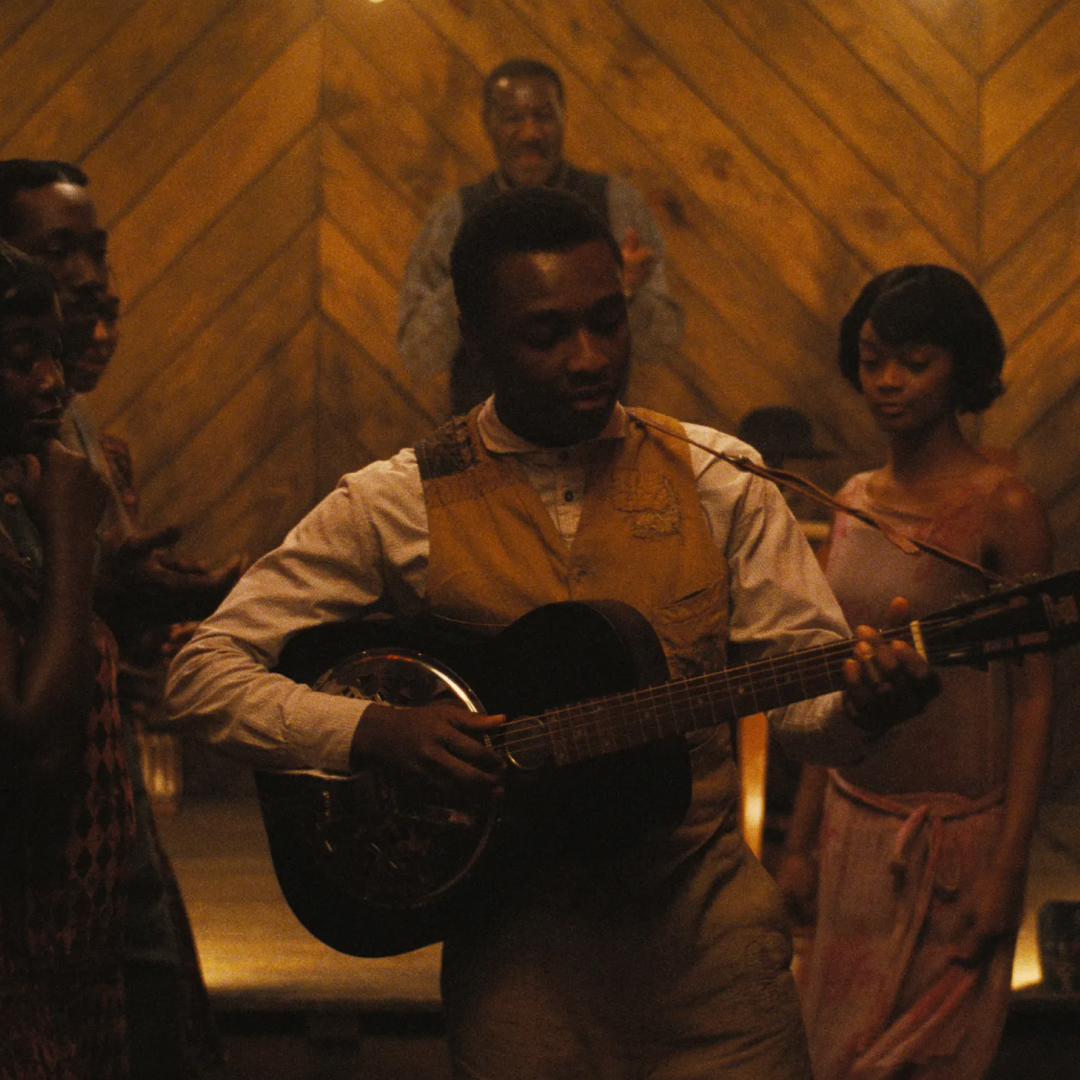
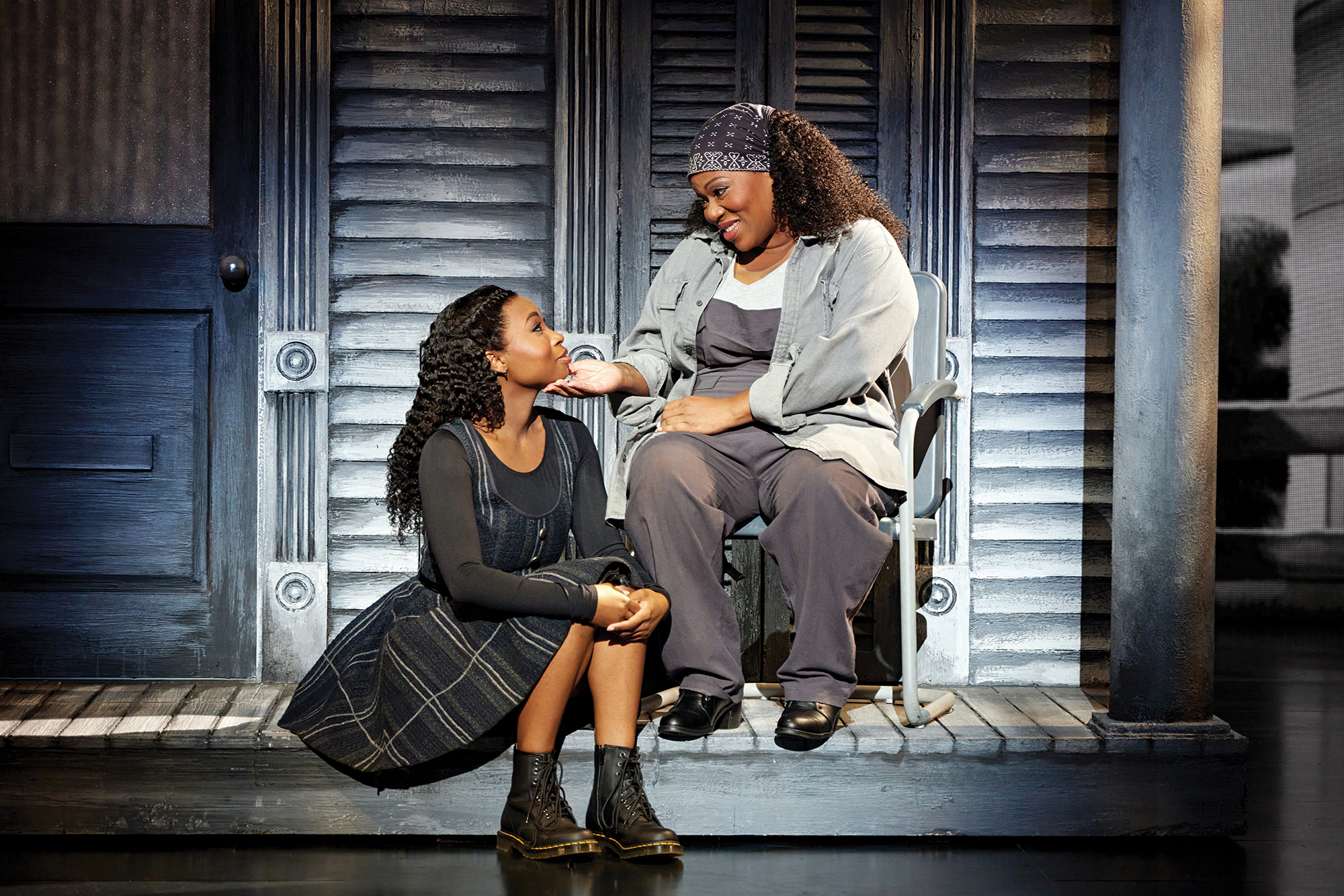
Dorothy in a scene with Aunt Em, played by Melody Betts.
Everybody should be impossible to deal with, but no one had any ego.
What was it like for you guys?
It’s like in our DNA, we just have to be great.
NL:This is my first Broadway show.
It felt grounding, and it felt immediately like,This is family.
It was so comforting and amazing.
There wasn’t room [for ego], and Ryan kept that culture.
He had always said to me, ‘You just need to be yourself.
That helps me reach a higher height.
It’s also being around such talent and such beauty.
To me, the voice is the highest art form.
SD:For me, the most engaging and incredible part of working is starting the fittings.
I get to meet all these amazing, talented individuals and we get to collaborate on the costume.
Once I see someone physically, I can understand how the costume’s going to work too.
The striking new set ofThe Wiz.
DC:I actually have a question.
What inspired the whole look of the show?
HB:It’s Schele; she did something that is kind of rare for a director.
Oftentimes, when people hire you, they put handcuffs on you.
For us, that’s all included.
AR:Everyone got to do whatever they thought was too far.
Then Schele was like, ‘I want that to be where we start.’
you’re able to always mute something.
you could always bring it back.
But you should get used to feeling like you are in danger.
But anyway, what are some of the lessons that you all learned from putting this show together?
That’s what I love about this Glinda.
She’s so different in aesthetic, and so is the show.
It’s very transcendent, so there’s no timestamp on it.
It really will live in its own time and place, and its own space.
That’s pretty remarkable.
I’m honored to play a small part in it.
HB:I learned that there’s a lot of long hours in that theater.
On a film, you’re like, come in.
Eat your breakfast burrito, and out the door to the next set.
Seeing all that upped everything that I did.
So my lesson now, when I go back to my industry: Take the time.
Dont be so busy.
It’s always going to get done, and it’s always going to take care of itself.
Be present in the creative.
I had to learn the lesson that we’re always present.
We have to always be there.
It’s always evolving, and you’ve got to stay open to that.
I finally have come to realize that I do have to constantly watch the show.
I’m watching something different every night.
NL:One thing I’ve learned is that it’s okay to play.
You’re always taught as a Black girl to be quiet.
Especially in the South, you’re always just muted.
AR:I wrote the scene where they meet the Wiz, and it was a perfectly fine scene.
It certainly did the job.
But then Wayne Brady was like, ‘It’s not exactly right.
It’s not exactly what it should be.’
He says, ‘We both came up in improv.
We both do comedy.
Write what you would want to perform.’
This interview has been edited and condensed for clarity.
Leave your ballet flats in your checked bag.
Uncle Harry for the gifting win.
