When you purchase through links on our site, we may earn an affiliate commission.Heres how it works.
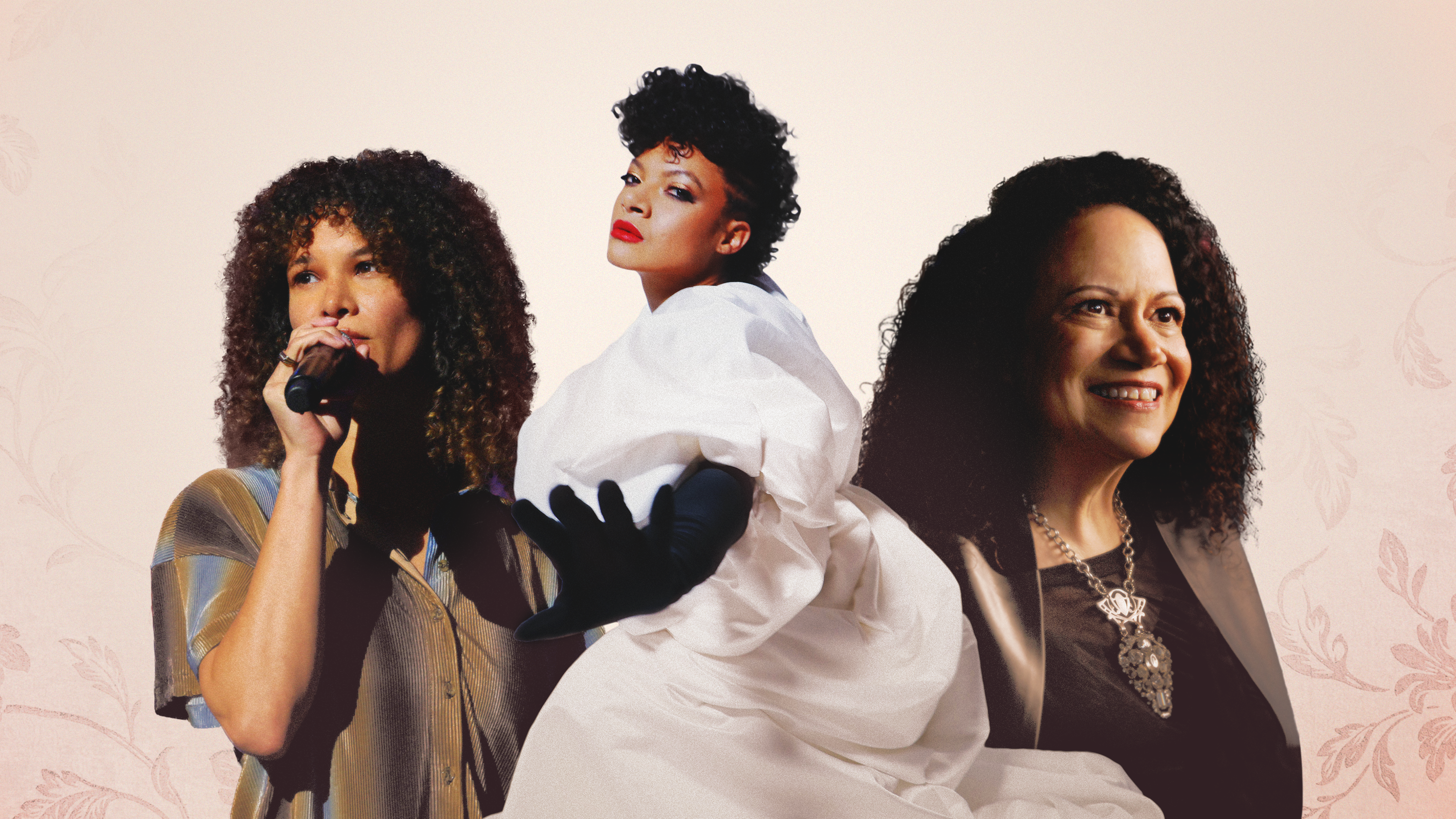
All Black women who are responsible for bringing diversity in country music into the limelight.
And they aren’t the only ones.
That truth being that the genre is by, and for, white people.
Then Beyonce releasedCowboy Carter, and conversations about race in country music reached a new level of attention.
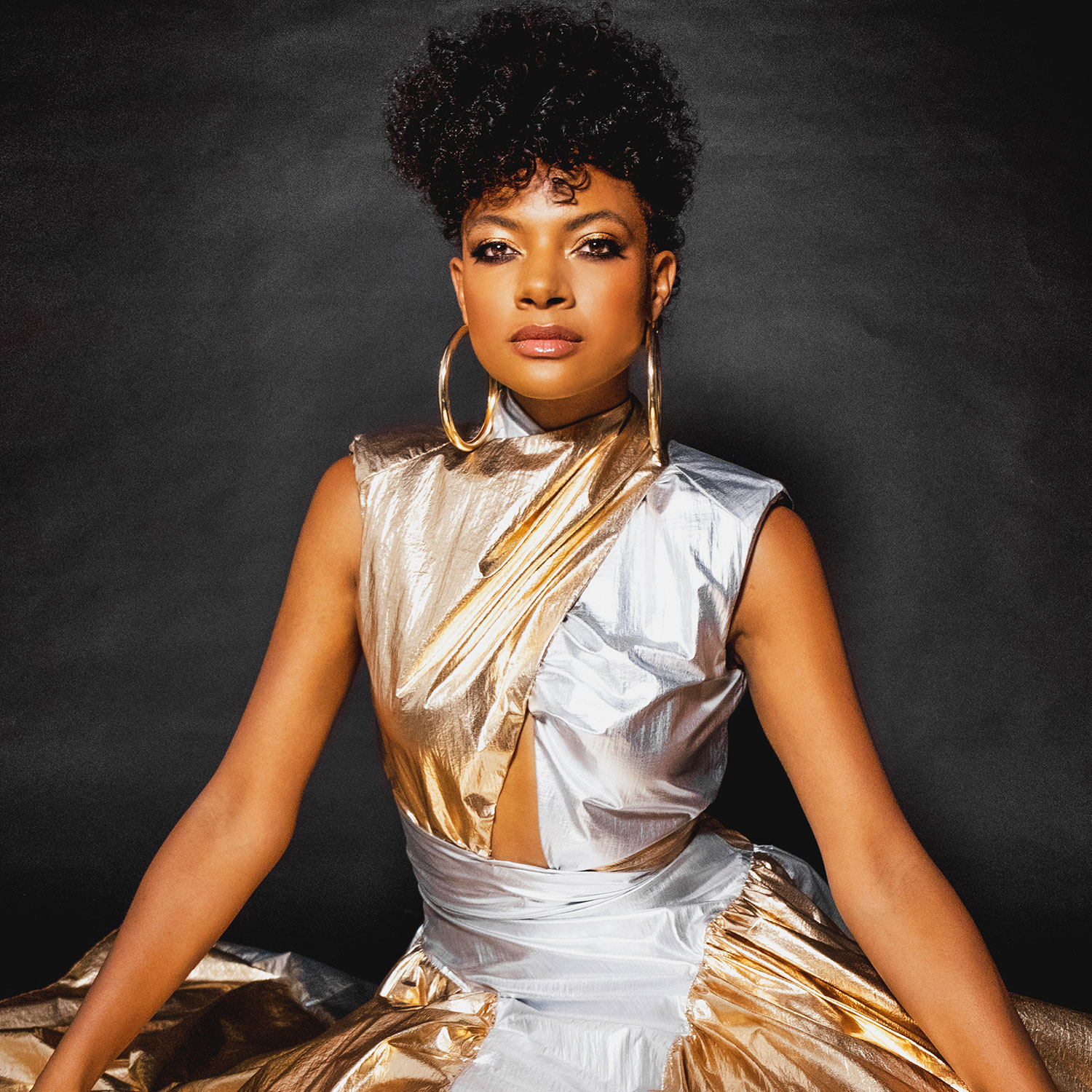
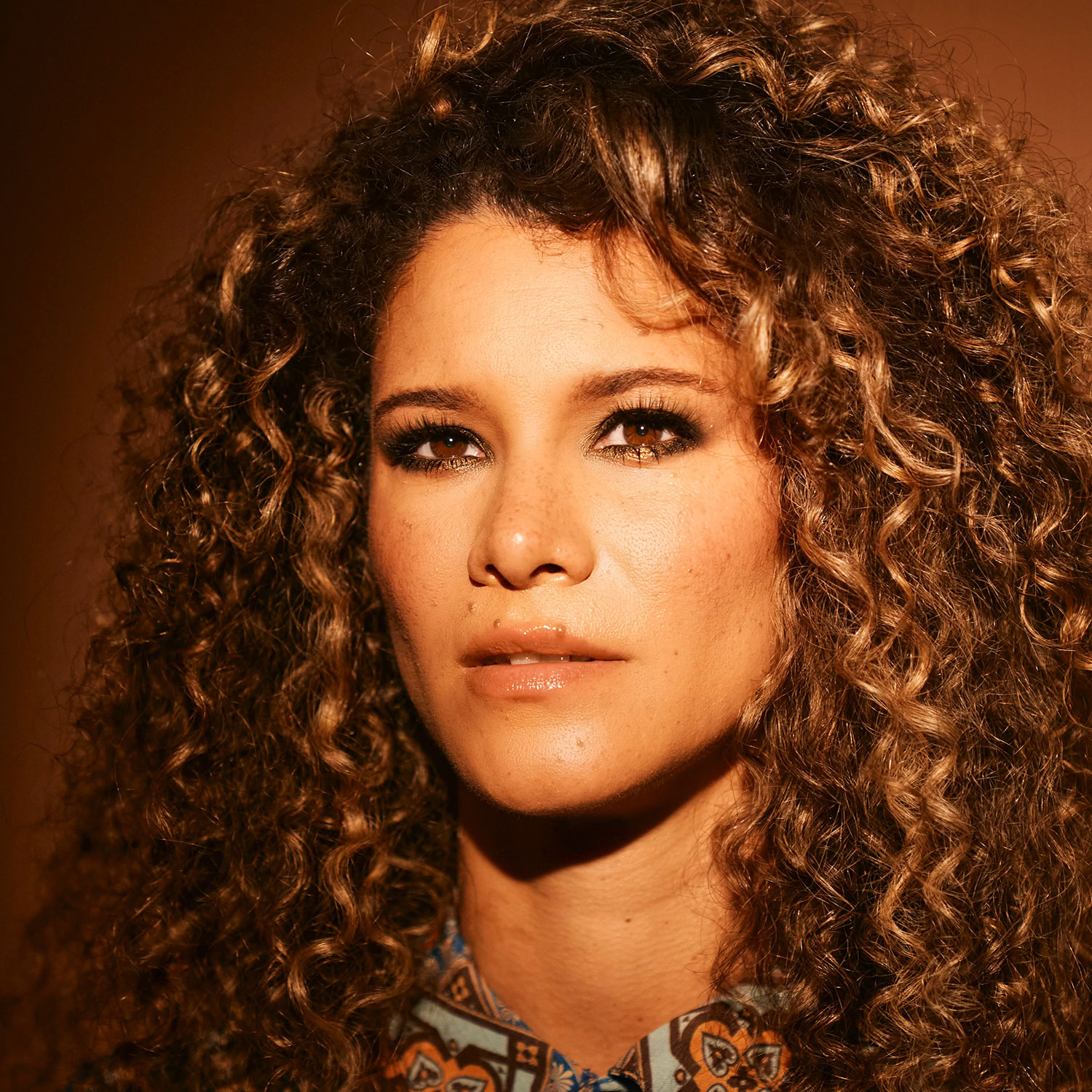
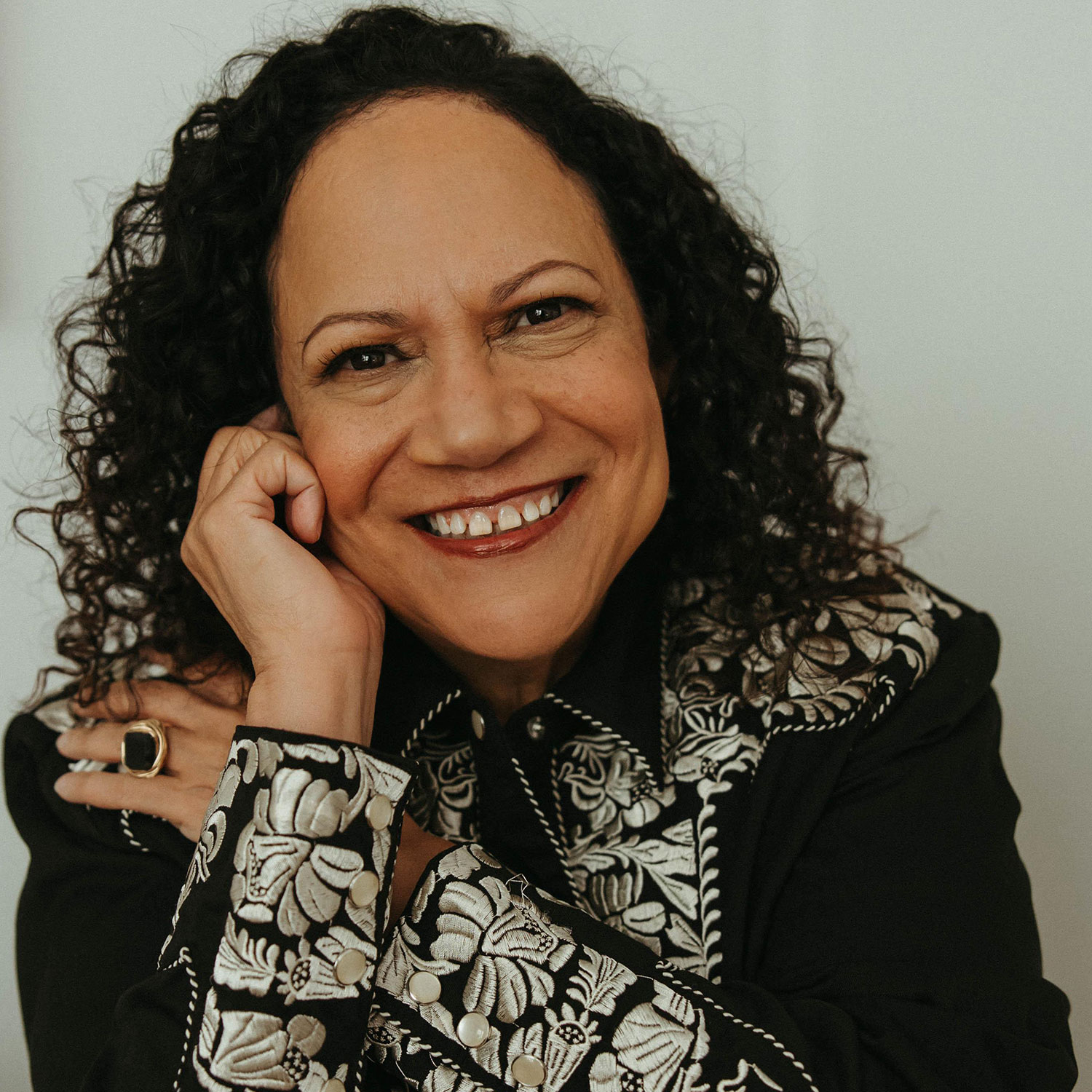
Joining Randall isAllison Russell, a Grammy-award-winning singer-songwriter, andAmara Hall, a Nashville-based talent producer.
Marie Claire: What led you to country music?
Allison Russell:I don’t consider country music my identity.
I would say country adjacent.
My first baby band was Po Girl.
The Folk Fest scene is all-encompassing of every genre.
We all know how problematic genre is and that it’s a construct.
She was a trailblazer there.
When we moved to Nashville, it was 2017, and Rhiannon was on that showNashville.
We had started going down because of Americana Fest.
Amara Hall:I’ve always been someone who wants to know how things work.
Why am I hearing some people over other people?
I feel very seen in that sense.
I feel like I’m here, and I’m meant to be here.
Alice Randall:My mother, my grandmother, and my aunt, all loved country music.
For Black women of those eras, that was not uncommon.
There were no Black radio stations in America until the late 50s and 60s.
Country can’t exist without Black aesthetics.
Without Black aesthetics, its just folk music.
I have made it my life’s work to create recognition for that.
We listen to music like it’s a gumbo.
I’m not just out here listening to Allison Russell.
MC: Nashville is inextricably linked to country music.
I would love to hear about the city from your perspective since that influences the state of the industry.
My first apartment, the bank rented it for me because I had to rent it sight unseen.
I couldn’t get a loan at Sears when I had excellent credit as a Black woman.
The lady in my laundry room asked me who I belonged to.
That is all real and that has changed.
The industry didn’t fight any of that when I got here.
I had to create a publishing company.
I signed other writers because I knew I wouldn’t get a fair shake in any publishing company.
It’s so fascinating the way circles of people find each other.
It’s just exponentially growing.
We listen to music like it’s a gumbo.
I’m not just out here listening to Allison Russell.
The way that we take in art is so multicultural and so beautiful.
MC: What do you feel has changed since you first began working in country music?
There were no agents that looked like me, not a lot of artists.
There were not people pushing forward [Black] producers, managers, public relations people, stylists.
All of those exist right now.
That, to me, is revolutionary.
This is a wild woman’s town right now.
I think that something deep is going on, and that that includes women of all varieties.
That wild woman energy is renovating this world.
MC: Is there anything you feel still needs to change?
They were thinking about having one white male journalist.
I just said, If you don’t invite a Black journalist, I won’t be doing it.
I’m supportive of all kinds of artists' careers.
MC: Do you feel accepted in the industry?
Rissi [Palmer] and I connected during 2020, too.
What does this moment mean to you?
And what do you hope this attention brings?
Russell:I think it’s continuing to grow the circles.
That’s what really changes the whole ecosystem and environment and what’s possible.
You have to also be true to your art.
you’ve got the option to’t only work with someone because of the demographic.
You have to be able to feel each other too.
It’s a particular time in a particular moment.
They used to call this a young man’s town.
This is a wild woman’s town right now.
I think that something deep is going on, and that that includes women of all varieties.
That wild woman energy is renovating this world.
Russell:We are actively resisting the construct of false scarcity that encourages detrimental competition instead of empowering community.
It’s not divide and conquer; it’s define and empower as Audre Lorde taught us long ago.
It’s even more imperative that we understand and embody and embrace that now.
Hall:I think that you two are a perfect example of that with your projectMy Black Country.
This interview has been condensed and edited for clarity.
Read more from the Music Issue
Princesses, mermaids, and true love’s kiss, oh my!
But would I do it again?
The late pope spared no expense when it came to treating the infant prince in 2014.
